RoRo Shipping — Cargo That Travels on Its Own Wheels.
RoRo — roll-on / roll-off — moves vehicles and wheeled equipment by driving or towing them onto the vessel instead of lifting them into a container. It is the method of choice for units that run, and for anything too tall or too wide for a box. We handle the port side and the inland leg through Aqaba, and we tell you the carrier conditions before you commit, not after.
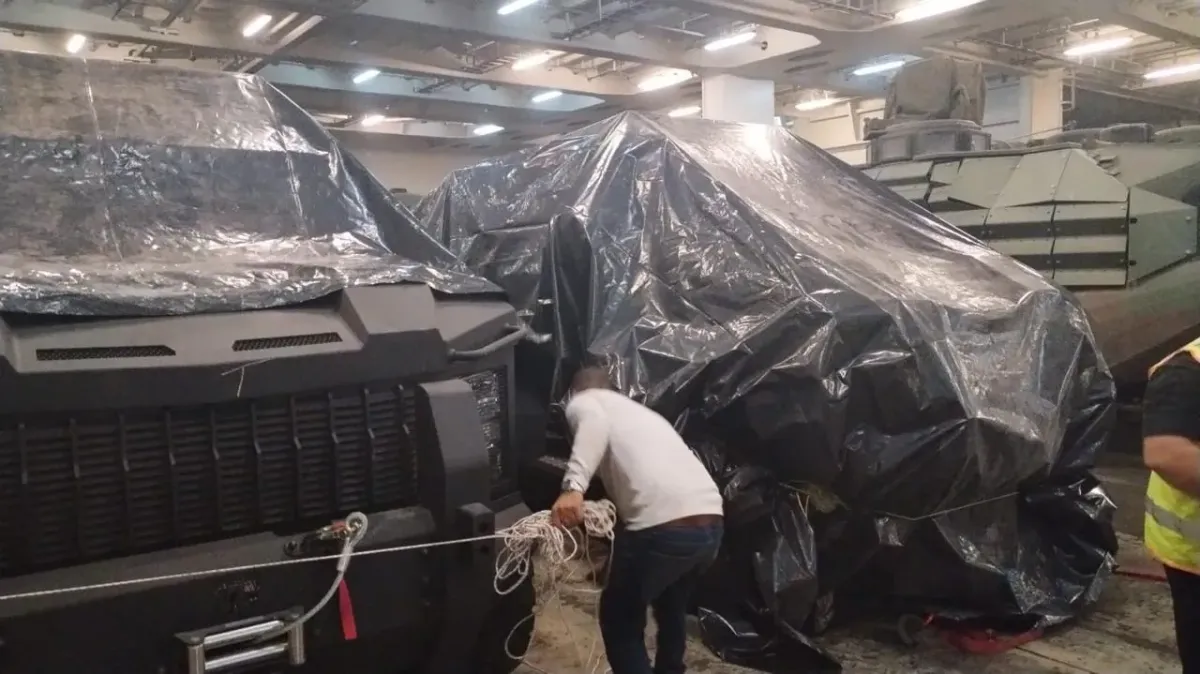
On a RoRo vessel the cargo is the vehicle. Cars, vans, trucks, buses, trailers, agricultural and construction machinery are driven or towed up the ramp, positioned on deck and lashed for the voyage. Nothing is packed into a container and nothing is craned over the rail, which is what makes the method suitable for units that would otherwise need out-of-gauge equipment.
The Choice Before the Booking
RoRo or a Container.
Both routes are open for a vehicle, and they are not interchangeable. The unit decides more than the price does.
- RoRo suits units that runIf the unit drives on and drives off under its own power, RoRo is usually the straightforward route — and it is the only practical route once height or width puts the unit beyond a container.
- A container suits units that need coverA vehicle can also be lashed inside a 40ft container, which keeps it enclosed for the voyage. It is a real option we use, and it changes the handling at both ends.
- Non-running units change the planA unit that cannot be driven needs towing or lifting arrangements agreed in advance. That is a planning question, not a surcharge to discover at the port.
- Oversized goes to project cargoWhere the unit stops being a vehicle and starts being a machine on a low bed, the move belongs with our project cargo and heavy lift planning.
Before You Book
What the Carrier Will Ask About Your Unit.
Carriers set their own conditions for units shipped this way, and those conditions vary by carrier and by route. These are the questions that decide the booking.
- Does it runWhether the unit starts, drives on and drives off under its own power. This is the first question on almost every RoRo booking.
- Fuel levelCarriers cap how much fuel may remain in the tank. The limit is set by the carrier, not by us.
- BatterySome carriers require the battery disconnected, others require it connected so the unit can be moved on deck. It depends on the vessel.
- Personal effectsLoose items inside the unit are restricted or prohibited depending on the carrier and the route, and they interact with customs at the destination.
- Dimensions and weightLength, width, height and weight decide the deck space booked and whether the unit clears the ramp and the deck height.
- Condition and marksExisting damage is recorded before loading. It protects you at delivery, so it is worth documenting properly at handover.
Send us the unit details with your enquiry — make, model, dimensions, weight and whether it runs — and we come back with the conditions that apply on the route you need, rather than a generic answer.
Aqaba and the Inland Leg
Where the Move Actually Happens.
A RoRo booking is a sea leg with two land problems attached to it. Jordan has one seaport, and the unit still has to reach its final address after it is discharged.
- Discharge at AqabaWheeled units are discharged and moved out of the port area. Our team works Aqaba operations directly, which is where most of the friction on these moves sits.
- Customs clearanceVehicle imports carry their own documentation and inspection requirements in Jordan. Clearance is handled as part of the file, not handed to a stranger at the port gate.
- Inland deliveryFrom the port the unit is driven or carried on a low bed or flatbed to its address. Buses and machinery frequently move this way rather than under their own wheels.
- One coordinator on the fileThe same person follows the unit from booking to delivery, so the answer to where is it does not change depending on who picks up.
Common Questions
RoRo, Answered.
What is RoRo shipping?
RoRo stands for roll-on / roll-off. The cargo is driven or towed onto the vessel on its own wheels and lashed on deck for the voyage, rather than being lifted into a container. It is used for cars, vans, trucks, buses, trailers and wheeled machinery.
Can you ship a vehicle that does not run?
It has to be agreed in advance. A unit that cannot be driven on and off needs towing or lifting arrangements, and not every carrier or vessel accepts one. Tell us the condition of the unit with your enquiry and we will confirm what the route allows before you commit.
RoRo or a container — which is better for a car?
Neither is better in the abstract. RoRo is the straightforward route for a running unit and the only practical one once the unit is too tall or wide for a box. A container keeps the vehicle enclosed for the voyage and changes the handling at both ends. The unit and the route decide it.
Can I leave personal items inside the vehicle?
Usually no, or only within narrow limits. Carriers restrict or prohibit loose items inside a unit shipped on RoRo, and anything left inside also has to be declared to customs at the destination. Ask us before you load anything into the unit.
Which port do you use in Jordan?
Aqaba. It is Jordan’s only seaport, and our team works there directly, which is where the handling and clearance on these moves actually takes place.
Do you handle the delivery after the port?
Yes. The inland leg from Aqaba to the final address is part of the same file, whether the unit is driven or carried on a low bed or flatbed.
Related