Break Bulk — Cargo Loaded Piece by Piece.
Break bulk is cargo loaded and discharged piece by piece — crated machinery, units on skids, oversized components — rather than sealed inside a container. Each piece is marked, tallied and lifted individually, so the securing plan and the lifting points matter as much as the rate. We handle the port side and the inland leg through Aqaba, and we tell you what the cargo needs before it is booked.
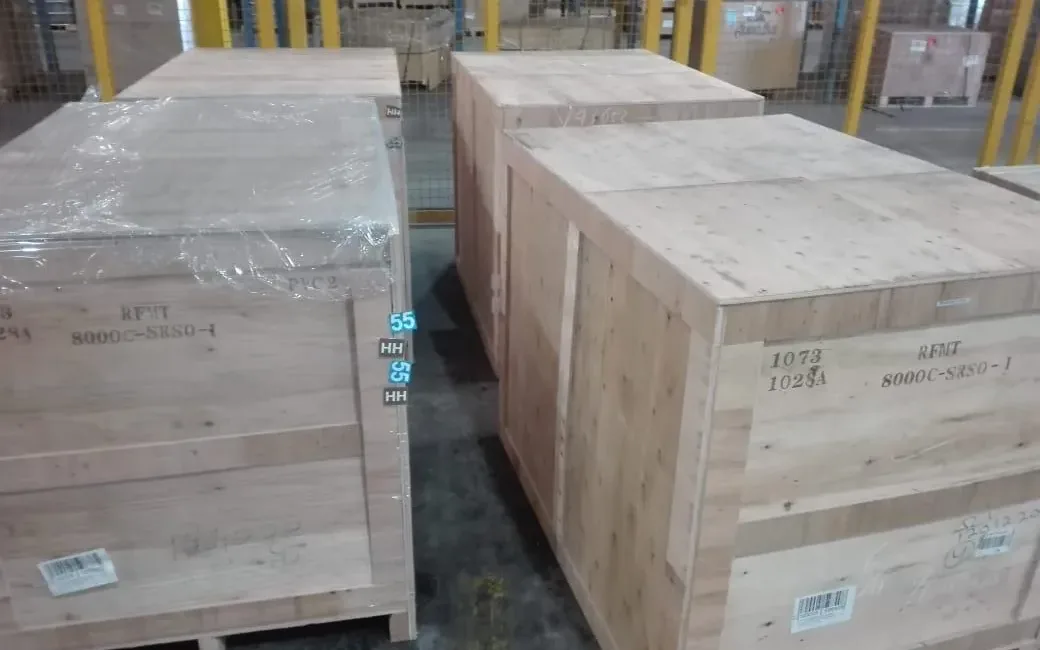
On a break bulk shipment the unit of account is the piece, not the box. Every crate, skid, bundle, drum and loose component is marked, listed on the manifest and handled on its own — lifted aboard, stowed, secured for the voyage and tallied again on discharge. That is what separates it from a container move, where the box is sealed at origin and opened at destination, and it is why the packing, the marking and the lifting arrangements decide how the shipment actually goes.
The Choice Before the Booking
Break Bulk or a Container.
Both routes are open for most industrial cargo, and they are not interchangeable. The shape of the piece decides more than the price does.
- Break bulk suits pieces a box will not takeWhen a single item is longer, taller or wider than the inside of a container, or heavier than its floor will carry, it is loaded as break bulk. The piece travels as it is, without being cut down to fit.
- A container suits anything that fitsIf the cargo goes into a box and the box can be sealed, containerised carriage is normally the simpler route — fewer handlings, less exposure and a wider choice of sailings. We say so when that is the case.
- The handling count is the real differenceA container is handled as one unit from origin to destination. A break bulk shipment is handled piece by piece at every stage, and every extra lift is a point where damage, delay or a missing item can occur. That is why the tally and the marking matter as much as they do.
- Bulk cargo is a different thing againBreak bulk is not bulk. Bulk cargo is loose homogeneous material poured into a ship's holds or pumped into its tanks — grain, ore, liquids. Break bulk is discrete pieces, each with an identity of its own.
How a Piece Actually Moves
From Packing List to Discharge.
The plan is built from what the pieces are, not from an average.
- The packing list comes firstPiece count, dimensions and weight per piece are what a break bulk booking is built on. A total weight with no breakdown is not enough — the vessel has to know what will be lifted, one item at a time.
- Marking and tallyEach piece is marked so it can be identified on deck, in the hold and on the quay. The tally taken at loading is the list checked again at discharge, and anything that is not on it is hard to argue for afterwards.
- Packing built for the handling aheadCrates, skids and frames are not decoration. A break bulk piece is slung, set down, moved and re-secured several times, so the packing is specified for the handling ahead of it, not just for the road to the port.
- Lifting points and the securing planWhere a piece can be lifted, and how it is held once it is aboard, are agreed before it moves. For anything heavy or awkwardly balanced that is planned in advance rather than decided at the quay.
- The inland leg is part of the same jobGetting the piece to the port and away from it again is not a separate arrangement. Trailer type, route and any permit an oversized piece needs are arranged together with the sea leg.
- Customs on a piece basisClearance follows the same piece list. Descriptions, marks and quantities on the documents have to match what is actually landed, so the paperwork is prepared against the tally rather than a rounded summary.
All of it is decided against your actual cargo. Send the packing list and a few photographs, and the answer comes back against the pieces you have.
What We Need From You
The Details That Set the Plan.
Break bulk is quoted from specifics. These are the ones that change the answer.
- A packing list, piece by pieceDimensions and weight for each piece, not a single total. Where pieces differ, list them separately — the largest and heaviest one usually drives the whole plan.
- Photographs of the cargo as packedA photograph shows the packing, the marks and the lifting arrangements faster than any description does, and it settles questions before they become changes.
- Where it starts and where it has to endFactory, port, site. The inland legs at both ends are part of the cost and part of the plan, and a delivery point with restricted access changes the equipment.
- Anything that constrains the handlingA piece that cannot be tilted, a component that has to stay dry, an item that must arrive before the rest. Tell us at the enquiry stage — it shapes the plan, and it costs more to change later.
- The commercial documentsInvoice, packing list and origin. Clearance in Jordan is prepared from these, and a mismatch between the documents and the cargo is the usual reason a shipment sits at the border.
Common Questions
Break Bulk, Answered.
What is break bulk shipping?
Break bulk is cargo loaded and discharged piece by piece rather than sealed inside a container — crated machinery, units on skids, oversized components. Each piece is marked, tallied and lifted individually, and the securing plan and lifting points matter as much as the rate.
What is the difference between break bulk and bulk cargo?
Break bulk is discrete pieces, each identified and handled on its own. Bulk cargo is loose homogeneous material — grain, ore, liquids — poured into a ship's holds or pumped into its tanks. They are booked, handled and measured in completely different ways.
When should cargo go break bulk instead of in a container?
When a single piece will not fit inside a container or is too heavy for one, and cannot sensibly be dismantled. If it fits in a box and the box can be sealed, containerised carriage is usually simpler, and we will tell you when that is the better route.
What do you need in order to quote a break bulk shipment?
A packing list with dimensions and weight for each piece, photographs of the cargo as packed, and the collection and delivery points. A single total weight is not enough to plan lifts or choose equipment.
Do you handle the inland leg and customs clearance as well?
Yes. The move to and from the port and clearance in Jordan are handled on the same file, with one coordinator, so the piece list used at the quay is the same one used on the documents.
Is break bulk the same as project cargo?
They overlap without being the same thing. Break bulk describes how the cargo is loaded — piece by piece. Project cargo describes the job: an indivisible or exceptionally heavy consignment, usually with a survey, a lifting study and route planning behind it. Some project cargo moves break bulk; not all break bulk is project cargo.
Related