Project Cargo & Heavy Lift — When It Does Not Fit a Container.
Machinery, vehicles and out-of-gauge equipment need a route decided before a price. We start from the measurements — length, width, height, weight and where the piece has to end up — then survey the cargo and choose between flat rack, RoRo and break bulk against the port equipment and the inland leg at destination. We stay accountable from the supplier's yard to your site, including clearance in Jordan, which our own team handles.
What We Move
Cargo That Needs a Plan, Not a Booking.
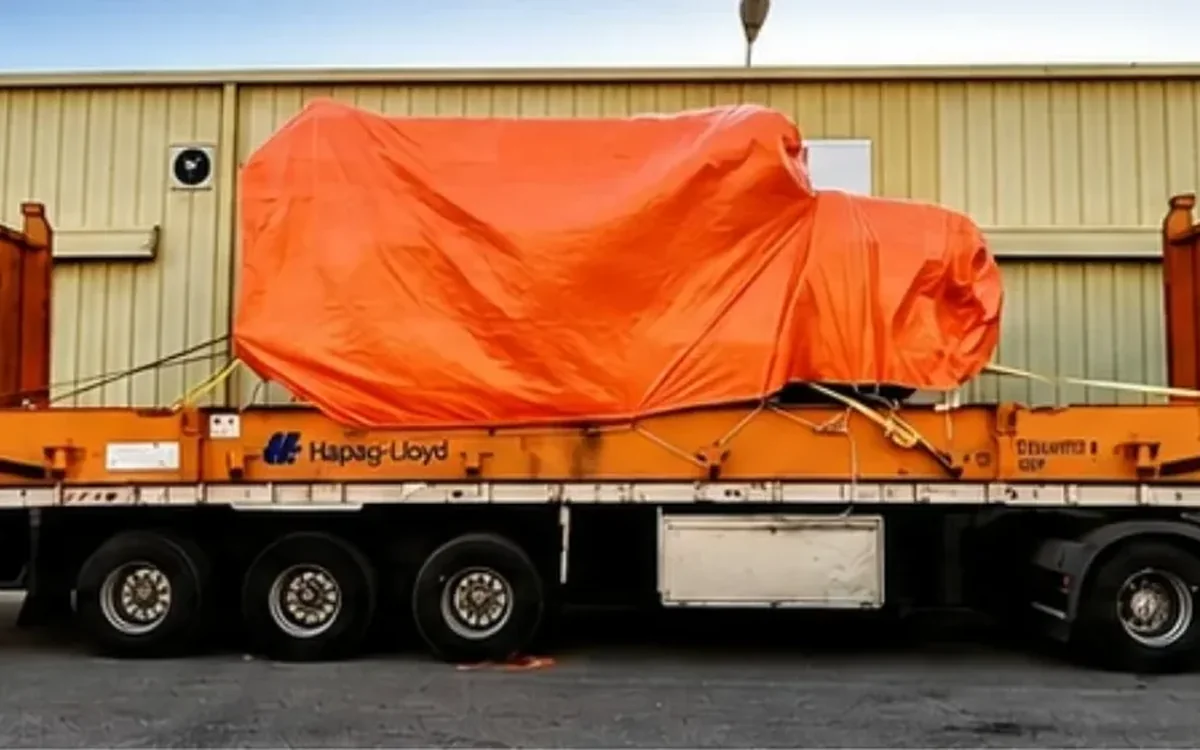
If it is too heavy, too tall or too wide for a standard box, it stops being a booking and becomes a project. The piece now needs a lifting and securing plan, equipment that can take it at both ports, and a road route at destination that will accept its height and weight. Carrier acceptance and any road permits are decided by the carrier and the authorities, not by us. These are the shapes we handle.
- Machinery & industrial equipmentProduction lines, generators and plant equipment, crated or secured to the deck.
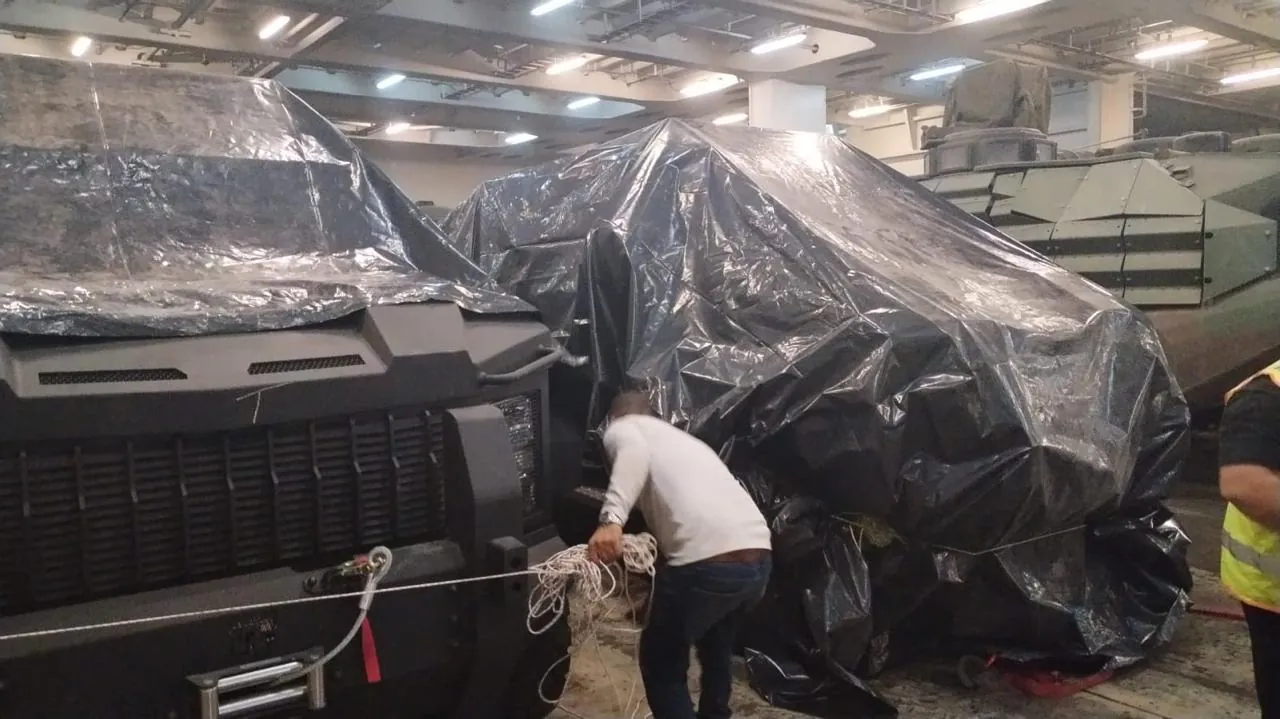
- Vehicles & rolling stockCars, coaches, trucks and chassis units moved by RoRo or secured inside containers.
- Construction & project consignmentsMaterials and equipment phased to arrive against a site programme.
- Out-of-gauge and break bulkLoads that exceed container dimensions and travel on flat rack or as break bulk.
Route First, Price Second
How a Project Move Is Planned.
A quote given before the route is confirmed is a guess. On oversized cargo the dimensions decide the vessel, the equipment and the inland leg — so those come first. We work from the crated measurements and the gross weight, not the bare machine, because packing and skids change both. Where a supplier's figures and the piece as it stands disagree, the method and the price change with them, which is why we ask for them before quoting rather than after.
The Project Flow
- Dimensions & Weight Survey
- Method Selected
- Lifting & Securing Plan
- Documents Prepared
- Loading Supervised
- Customs Clearance
- Delivery to Site
Every stage is confirmed with you before the cargo moves to the next one. The survey figures, the method selected and the lifting and securing plan are each put to you for agreement, and the documents are prepared against what you confirm, because a change agreed at the survey stage is an email, and the same change once the cargo is at the port is a problem on the quay. Booking and loading follow what you confirmed rather than an assumption about what you wanted.
Three Ways to Move It
The Method Follows the Cargo.
- Flat rack — for loads wider or taller than a container, secured and lashed to an open platform
- RoRo — for anything with wheels, driven on and driven off rather than lifted
- Break bulk — for pieces handled individually rather than in a container at all
Which one is right is a question of dimensions, port equipment and the inland route at destination — not of preference. Crane capacity at both ports and carrier acceptance of the load are decided by the terminal and the carrier, and the road route at destination sets its own limits on height and weight. We tell you which applies and why.
The Road Leg
Between the Port and the Site.
A heavy piece that cleared the port still has to reach the site, and the road is where most project moves are actually decided. Trailer type, axle loads, the height under every bridge on the route and the permits the authorities require are all set by the piece's dimensions and weight — which is why we ask for those before anything else.
- Lowbed for height, multi-axle for weightA lowbed trailer drops the deck to keep a tall piece under bridge clearances. When the weight is the problem rather than the height, the load is spread across more axles so no single axle exceeds the road limit. The piece decides which.
- The route is surveyed, not assumedBridge heights, road widths, turning radii at junctions and the approach to the site are checked against the loaded dimensions. A route that fits on the map can fail at one roundabout.
- Permits and escorts are the authorities' callOversized and overweight movements need road permits, and above certain dimensions an escort. These are set by the authorities on the route and are built into the timeline, not discovered on the day.
- Lifting at both endsThe piece is lifted off at the port and lifted or driven off at the site. Crane capacity, lifting points and ground conditions at the delivery address are part of the plan — send a photo of the site access with the measurements.
Why MASA
The Clearance Is Not Someone Else's Problem.
Oversized cargo fails most often at the border, not at sea. Because we clear customs in Jordan ourselves, the paperwork is built for the clearance from the start: the dimensions, weights and descriptions on the commercial invoice and the packing list are checked against each other, and against the draft bill of lading wherever the carrier circulates one, before the cargo moves. Whether an entry clears, is examined or is held remains the authority's decision — but a document that contradicts itself is one cause we can remove in advance.
- Documents built for clearanceDimensions, weights and descriptions are prepared to match what customs will ask for.
- Our own clearance team in JordanNo handover to a third party at the point where oversized cargo usually stalls.
- Aqaba operations on the groundOur people are at the port where heavy and out-of-gauge cargo is discharged.
- One counterparty throughoutSurvey, freight, clearance and final delivery stay on one contract with one team.
Frequently Asked Questions.
What counts as project cargo or out-of-gauge?
Cargo that is too heavy, too tall or too wide for a standard container: machinery and production lines, generators and plant equipment, vehicles and rolling stock, and construction consignments phased against a site programme. Once a load exceeds container dimensions it stops being a booking and becomes a project — and no price means anything before the route is decided.
How do you choose between flat rack, RoRo and break bulk?
By the cargo, not by preference. Flat rack takes loads wider or taller than a container, secured and lashed to an open platform. RoRo suits anything with wheels — driven on and driven off rather than lifted. Break bulk is for pieces handled individually rather than in a container at all. Which one applies depends on the dimensions, the port equipment and the inland route at destination, and we tell you which and why.
What do you need to quote a project cargo shipment?
Length, width, height, weight, and where it has to end up. That is enough to survey the cargo, select the method and come back with a real price rather than a placeholder. A quote given before the route is confirmed is a guess — on oversized cargo the dimensions decide the vessel, the equipment and the inland leg.
Do you handle customs clearance for heavy and oversized cargo?
Yes — with our own team in Jordan, not a third party. Oversized cargo fails at the border more often than at sea, so the dimensions, weights and descriptions are prepared from the start to match what customs will ask for. Our people are at Aqaba, where heavy and out-of-gauge cargo is discharged.
Start With the Dimensions
Send Us the Measurements.
Length, width, height, weight and where it has to end up. That is enough for us to come back with the method and a real price rather than a placeholder. Send the crated figures rather than the bare machine where you have them. A photograph of the piece, whether it rolls on its own wheels, and the access at the delivery site are useful, because they tell us how the piece will be lifted or driven — but they are not needed for the first answer.