Customs Clearance in Jordan — By the Team That Shipped It.
Most delays at the border are paperwork, not inspection — and paperwork is fixable before the cargo arrives. We check documents at origin, file them ourselves, and stay on the file until the goods are released. Declarations in Jordan are lodged through MASA's sister company, a licensed customs broker.
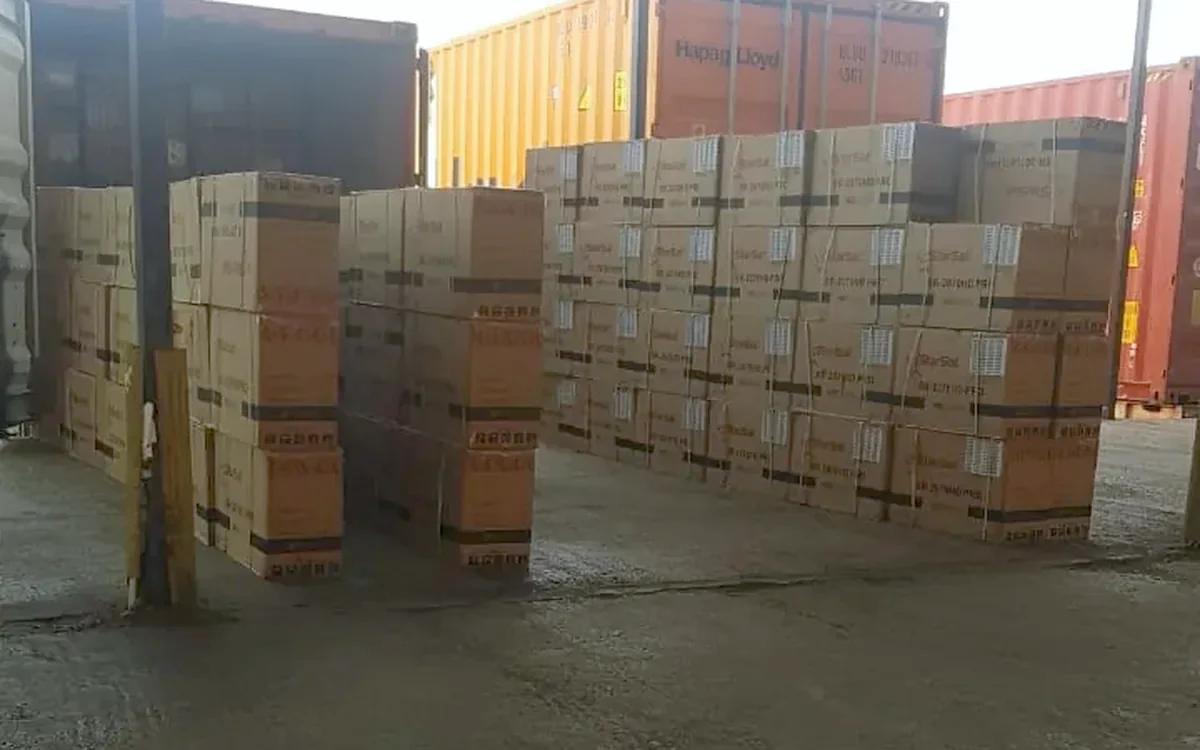
Why Shipments Sit
A Hold Is Usually a Document.
When freight and clearance sit with different companies, nobody checks the paperwork until it is already at the border — and by then a correction costs storage, demurrage and days.
- An invoice description that does not match the declared classification
- A packing list that disagrees with what is in the container
- A certificate of origin missing for goods that need one
- Values or weights that differ between documents
Every one of those is visible at origin, weeks before arrival. That is where we look at them.
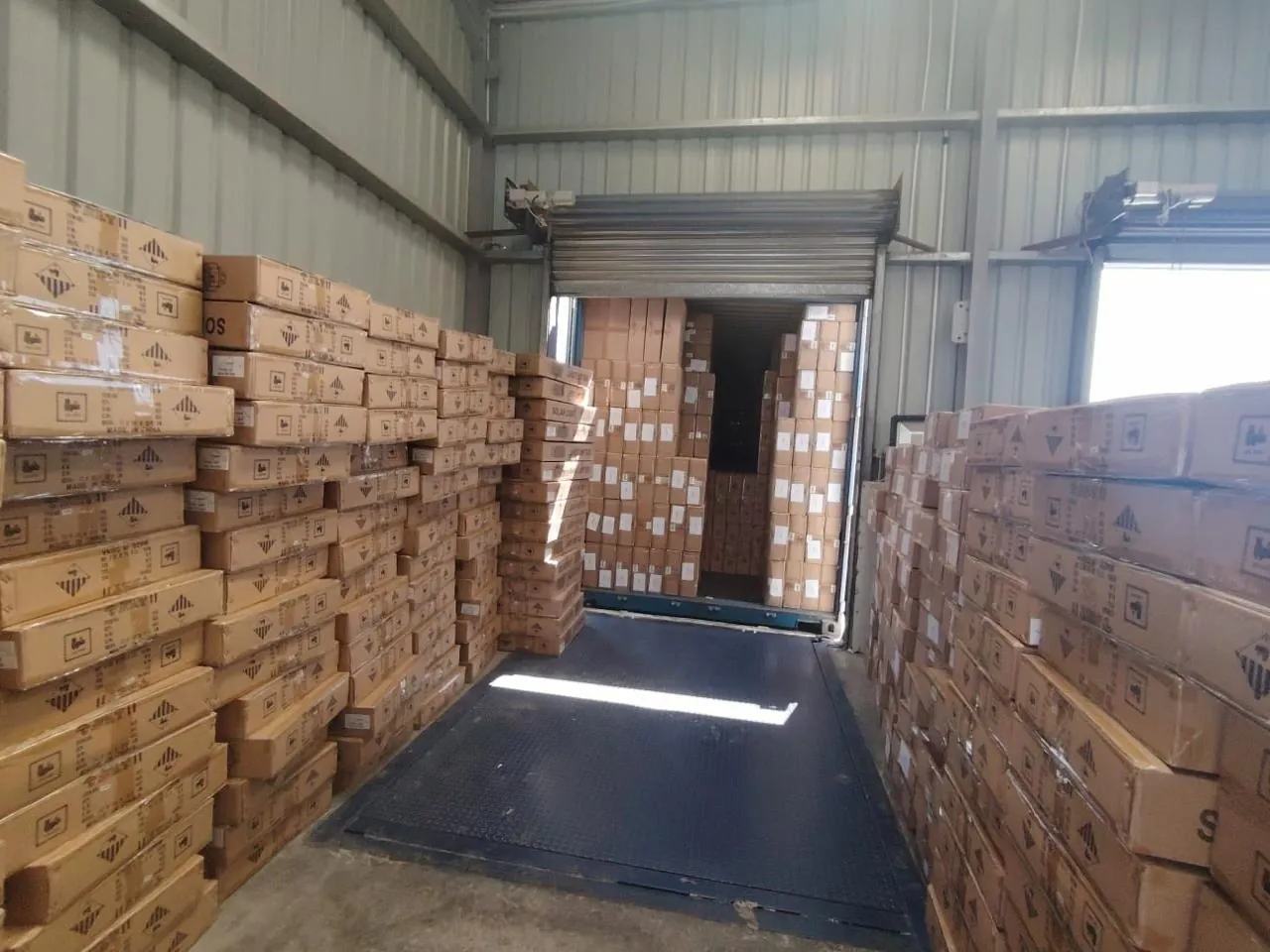
What Clearance Covers
From Document Check to Release.
Clearance is not a single step at the end. It runs alongside the shipment from the moment the documents are issued.
The Clearance Flow
- Documents Reviewed at Origin
- Classification Confirmed
- Declaration Prepared
- Duties & Taxes Calculated
- Filing & Inspection
- Release
- Delivery Arranged
On the China–Jordan lane, clearance runs 1–3 business days for document-ready cargo.
Where We Clear
Sea, Air and Land Entry Points.
Our own people work the entry points your cargo actually uses, rather than instructing an agent from a distance.
- Aqaba — sea freightOur operations team is on the ground at the port where containers and heavy cargo discharge.
- Amman — head officeAir consignments and inland movements are coordinated from our Amman office.
- Export clearance in ChinaThe origin side is cleared by our own China operations, so both ends match.
- Duties and taxes calculated up frontYou see the landed cost before the declaration is filed, not after release.
Classification
The Code Decides the Duty, Not the Description.
Every product crossing a border is declared under a Harmonized System code — the classification standard maintained by the World Customs Organization. The first six digits are the same in every country that applies it; national tariffs add further digits below that. It is the code, not the wording on your invoice, that the duty rate attaches to — and the code is only as good as the description it is built from. Some restrictions and permits attach to the goods themselves rather than to the tariff line.
Classification follows what the goods are: the material, the function, the state they arrive in. Items sitting side by side in a supplier's catalogue can fall under different codes at different rates. A description like “spare parts” classifies nothing. We prepare the classification and the technical detail that supports it. The authority at the port of entry rules on it.
Origin
A Certificate of Origin Is About Where Goods Were Made.
A certificate of origin states the country where goods were produced. Origin is not the port the cargo sailed from, and not the country where your supplier is registered — goods can ship out of one country and originate in another. A non-preferential certificate is issued in the country the goods are exported from and certified by an authorized body there, usually a chamber of commerce.
It can change what is payable. Where a trade agreement is in force between the two countries and the goods meet its rules of origin, preferential proof in the form that agreement requires can reduce the duty assessed — depending on the agreement, that may be a certificate issued by an authorized body or a declaration made by the exporter itself. Preference is never automatic: the goods have to qualify, the document has to be correct, and the authority decides whether it applies. Some commodities need an origin certificate simply to enter. We confirm what the destination requires before your supplier applies for it.
Filing to Release
What Happens Between Filing and Release.
A declaration is a legal statement made in the importer's name, carrying the classification, the declared value and the origin. Duty is assessed on a customs value built from the price paid for the goods and adjusted under the valuation rules applied at the port of entry — not simply the figure at the foot of the invoice. Not every consignment is examined; authorities select files for documentary check or physical inspection on risk criteria they do not publish. Release follows acceptance of the declaration, payment or securing of the duties and taxes assessed, and any inspection or additional approval the commodity requires.
Our work sits before all of it. We check the file against what the declaration will have to state, and send it back to the supplier while a correction is still a reissued document rather than cargo standing at a border. That is where the errors within reach get removed. It does not decide the outcome — no forwarder does.
What to Send Us
The Documents We Start From.
Send these and we will tell you what is missing before your cargo is anywhere near the border:
- Commercial invoice
- Packing list
- Bill of lading or air waybill
- Certificate of origin, where the goods require one
- Any product-specific certificates or permits
Requirements differ by commodity. If you are importing something for the first time, tell us what it is and we will confirm what applies before you order.
Frequently Asked Questions.
What is an HS code, and who decides it?
An HS code is the number a product is declared under. Its first six digits come from the Harmonized System and are the same in every country that applies it; the remaining digits are national. The duty rate attaches to that code. We prepare and support the classification. The customs authority at the port of entry rules on it.
Do I need a certificate of origin?
It depends on the commodity and the destination. Some goods need one to enter at all. Others need one only to claim a preferential rate under a trade agreement, and then only in the form that agreement requires. Tell us what you are importing and where from, and we will confirm what applies before your supplier ships.
Is duty calculated on my invoice total?
Not directly. Duty is assessed on a customs value, built from the price paid for the goods and adjusted under the valuation rules applied at the port of entry. That is why the invoice, the freight documents and the declaration have to agree with each other. We calculate duty and tax on the classification we intend to declare, so you see the landed cost before the declaration is filed.
Which documents does clearance in Jordan start from?
The commercial invoice, the packing list, the bill of lading or air waybill, the certificate of origin, and any product certificates the goods require. We verify them against each other before the cargo moves.
What causes clearance delays most often?
Documents that disagree with each other — an invoice that does not match the packing list, a missing certificate of origin, a wrong classification. Our customs-first approach checks the file before shipping, so problems are fixed while they are still cheap.
Do you clear exports as well as imports?
Yes. Import clearance in Jordan, export clearance out of China, and export documentation for Jordanian cargo heading to markets worldwide.
Before It Ships, Not After
Have Us Check the Paperwork.
Send the documents for a shipment that is already booked, or ask what a new commodity will need. Either way it costs you nothing to find out early.