China Warehouse & Consolidation — Multiple Suppliers, One Controlled Shipment.
Supplier coordination, receiving, checking and consolidation — one organized process before your cargo ships internationally. You send us the supplier details and the order information, and give each supplier the delivery address and your customer code. We handle the rest at origin, and what leaves is one shipment, on one booking, with one set of documents you can check before it moves.
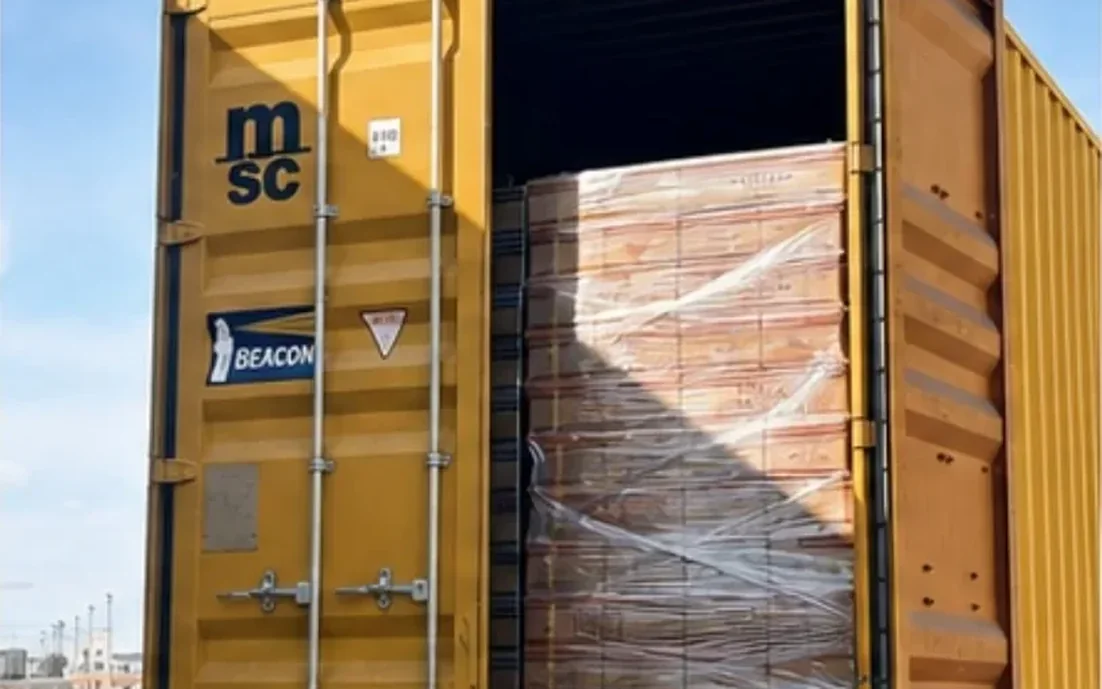
The Consolidation Journey
From Multiple Suppliers. One Controlled Shipment.
MASA Logistics coordinates cargo from multiple suppliers through our China warehouse operations, bringing shipments together into one organized consolidation process before international shipping. Instead of moving several small shipments separately, your suppliers deliver to one address, the cargo is checked and combined under your customer code, and one controlled shipment leaves on our weekly loading cycle out of China.
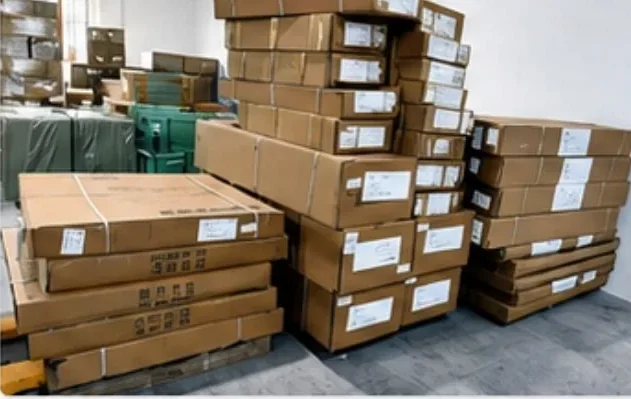
Cargo collected from different suppliers.
Shipments received and coordinated in one location.
Cargo organized and combined for efficient shipping.
One coordinated shipment prepared for international transport.
Controlled Workflow
- Supplier Coordination
- Customer Code
- Verification
- Storage
- Consolidation
- Packing List
- Loading
Cargo arriving from your suppliers is registered under your customer code. The code stays on the file from the first delivery through to the consolidated packing list, so each supplier's cargo can still be identified after it is combined. If you ask later what one supplier actually delivered, the answer comes from the receiving record made at the time rather than from memory.
Supplier Coordination
We coordinate directly with your suppliers on what is being delivered, when, and under whose name. Every arrival is identified before it is accepted. You give us the supplier's contact and the order details, and we take it up with the supplier directly before the cargo is dispatched. Cargo that arrives unannounced and carries no buyer reference is difficult to identify at an origin warehouse, and that is what this step exists to prevent.
Customer Code
Every consignment is registered under a code that belongs to you. Your cargo stays identified and separated from other buyers' cargo throughout handling. We issue the code to you and ask you to pass it to each supplier, so it appears on the carton markings and the delivery note. It is the reference the receiving record, the photographs, the measurements and the final packing list are all filed under.
Verification
Cargo is counted and checked against the supplier's documents, then photographed and measured. Anything the count and the documents disagree on is reported to you while the cargo is still at origin. The measurements feed the rating and the booking — sea freight is normally rated on whichever is greater, the volume or the gross weight — so they are taken to the outside of the cartons, including any pallet. Checking what is sealed inside a carton is a pre-shipment inspection, a separate exercise from consolidation.
Storage
Verified cargo waits under your code until the rest of your order arrives; storage terms are confirmed with your quote. Suppliers rarely finish production on the same day, and this is what lets you buy from several of them at once. Without a holding point the first supplier's cartons would have to ship on their own or wait at the factory. Tell us the last expected delivery date at booking, so the shipment is planned against it.
Consolidation
Compatible cargo is combined into one movement and packed to travel together. Several small shipments become one, moving on a single booking and a single set of documents. Compatible means the cargo can safely share one box and one load plan: heavy cartons carry the stack, light and fragile ones sit above, and loose cartons are palletised and wrapped. The load plan is built from the counts and measurements taken when the cargo was received.
Packing List
One consolidated packing list is prepared covering every supplier in the shipment, and checked against each supplier's commercial invoice before loading. Customs reads the invoice and the packing list together, so they are built to agree. Each supplier's commercial invoice must describe the goods the way they will be declared. A description, a piece count or a value that differs between the two documents can be queried by the authority at the border. What happens then is the authority's decision, which is why the documents are reconciled at origin.
Loading
Loading is coordinated and the shipment leaves on the weekly cycle out of China, by sea or by air. The shipping documents are prepared before it moves. Cargo and documents are both needed before the cycle closes, and cargo that arrives after that normally moves to the next one. What the carrier and the port then do with a booking — space, schedules and departures — is decided by them, not by us.
A consolidated container leaving the China warehouse does not have to end in Jordan. Where the consignee is in Iraq, the route continues by sea to Aqaba and then overland to the Karameh–Trebil crossing, crossing Jordan in transit rather than entering its market. It is set out in China to Iraq through Aqaba.
Origin-Side Control
Control Before Your Cargo Ships.
A structured control point before cargo moves: receiving, verification, photos, measurements, storage, consolidation and loading coordination — so your cargo leaves China exactly as expected. Origin is the stage where a short count, a wrong marking or a document that does not match the goods is easiest to settle with the supplier directly. Once the shipment has left China, the same problem becomes an argument conducted across a border, against cargo you cannot see.
- Receiving & VerificationSupplier cargo received, verified, photographed and measured on arrival.
- Warehouse ConsolidationCargo stored, organized and combined into one shipment plan.
- Loading CoordinationPacking lists and loading coordinated before international transport.
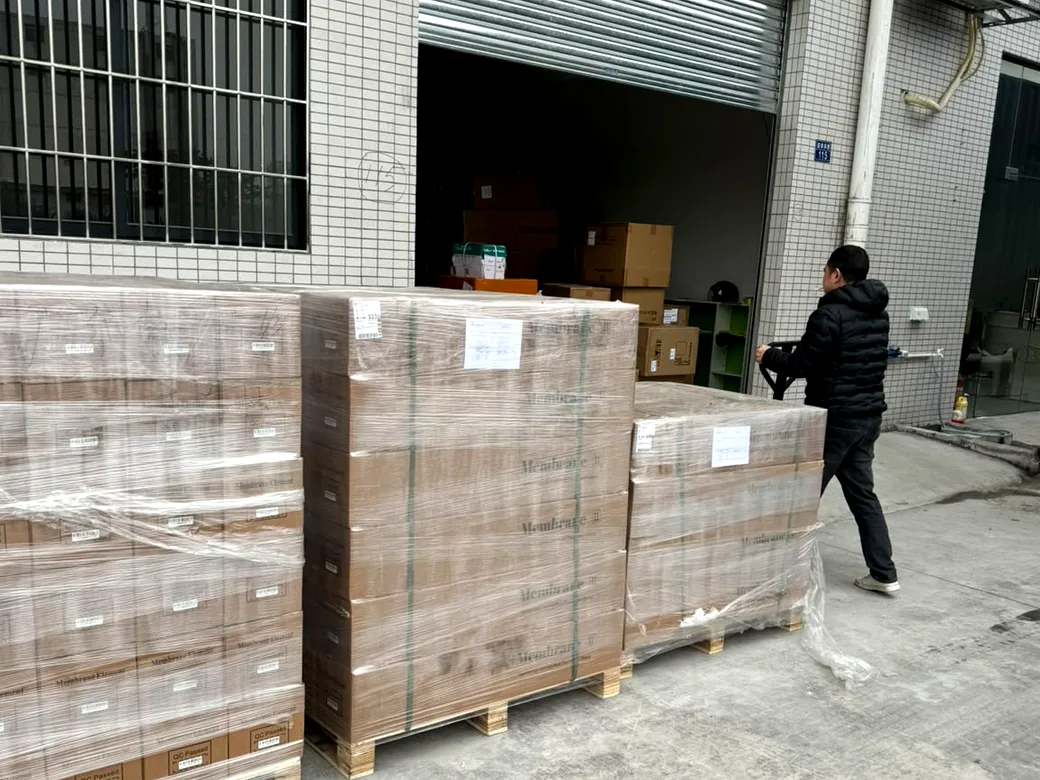
After Loading
From the Warehouse Door to Yours.
Consolidation ends when the container is sealed at our China warehouse; the shipment does not. The same file carries the cargo through export, the sea or air leg, arrival at Aqaba or Queen Alia, the import entry and the last mile — and one coordinator stays on it the whole way. Here is what happens after the doors close.
- Export clearance in ChinaThe origin declaration is lodged by our own China operations, so the export papers and the packing list we built at the warehouse describe the same cargo.
- Sea or air, on the weekly cycleConsolidated cargo leaves China on MASA's weekly loading cycle — by sea to Aqaba for volume, by air to Amman when the calendar decides. See sea freight and air freight for how each is booked.
- Arrival and deconsolidationAt destination the container is unpacked against the manifest and each consignment is separated by its shipping mark. This is where the marks and piece counts set at the warehouse pay for themselves.
- Import entry through our sister companyDeclarations in Jordan are lodged through MASA's sister company, a licensed customs broker, from the same documents. See customs clearance.
- Delivery — or DDP to the doorReleased cargo is delivered to your address. If you would rather have one number that covers the whole chain including destination duties, ask for DDP — the scope is set out in the quotation.
Frequently Asked Questions.
What happens when my supplier's cargo arrives at your warehouse?
It is received, counted and checked against the supplier's documents, then staged for consolidation. You hear from us at every milestone — not only when something goes wrong.
Can I buy from several suppliers and ship everything as one?
Yes — that is exactly what the warehouse is for. Each supplier delivers to us, we combine the cargo into one shipment with one set of documents, and one accountable team moves it. Each delivery is still recorded separately as it arrives, so you can see what every supplier actually sent before the cargo is combined. One shipment also arrives on one set of documents rather than several sets landing on different dates. How the destination entry is then handled is decided by the customs authority there.
Do I need to be in China to use the warehouse?
No. Our team coordinates directly with your suppliers and factories in China. You buy; we handle receiving, checking and consolidation on the ground. You send us the supplier details and the order information, and give each supplier the warehouse delivery address and your customer code. From there the arrivals, the counts, the photographs and the measurements come back to you as records, rather than as a trip you would otherwise have to make yourself.
How is consolidated sea freight measured — what is CBM?
By volume, in cubic metres. One CBM is a box one metre long, one metre wide and one metre high. Multiply each carton's length by its width by its height in metres, add the results together, and that is your shipment's volume — measured to the outside of the cartons, including any pallet. Sea freight is normally rated on whichever is greater, the volume or the gross weight, so a light but bulky order is measured on the space it fills and a small dense one on what it weighs. Send the dimensions and the weight with your quote request and the quote comes back stated against them.
Do all my suppliers have to be in the same city?
No. Suppliers deliver to the warehouse from wherever they are, and each delivery is registered under your customer code as it arrives. The cargo waits there until your order is complete, then leaves as one shipment on the weekly loading cycle. Give every supplier the same delivery address and the same customer code, and tell us at booking who is moving each consignment to the warehouse, so the inland leg is priced with the rest of the shipment rather than after it.
What happens if a supplier sends the wrong goods or short-ships?
Cargo is counted against the supplier's documents, photographed and measured on arrival, and you get those records before the shipment loads. A short count, wrong markings or visible damage are raised with you while the cargo is still at origin rather than after it lands. Verifying what is sealed inside a carton is a pre-shipment inspection, which is a different exercise from consolidation.
From China To
DDP Markets.
DDP delivery from China to Jordan, the UAE, Saudi Arabia and the USA, with weekly loading out of China. Available by sea and by air. Delivered Duty Paid means the freight, the destination clearance and the duties and taxes due in that country are quoted as one figure to your delivery address, rather than billed separately after arrival. The four markets are served equally, and other destinations are quoted on request. The China warehouse is MASA's own, with collection from suppliers anywhere in mainland China — Guangzhou, Foshan, Shenzhen, Yiwu, Shanghai, Ningbo and Qingdao included.