Incoterms — Who Pays for What, and Where Risk Changes Hands.
An Incoterm is three letters in a contract that decide where the seller’s responsibility ends and yours begins. It settles two separate questions — who pays which cost, and who carries the risk if the cargo is damaged — and those two lines do not always fall in the same place. This page covers the terms that actually appear on China–Jordan invoices, and the misreadings that cost importers money.
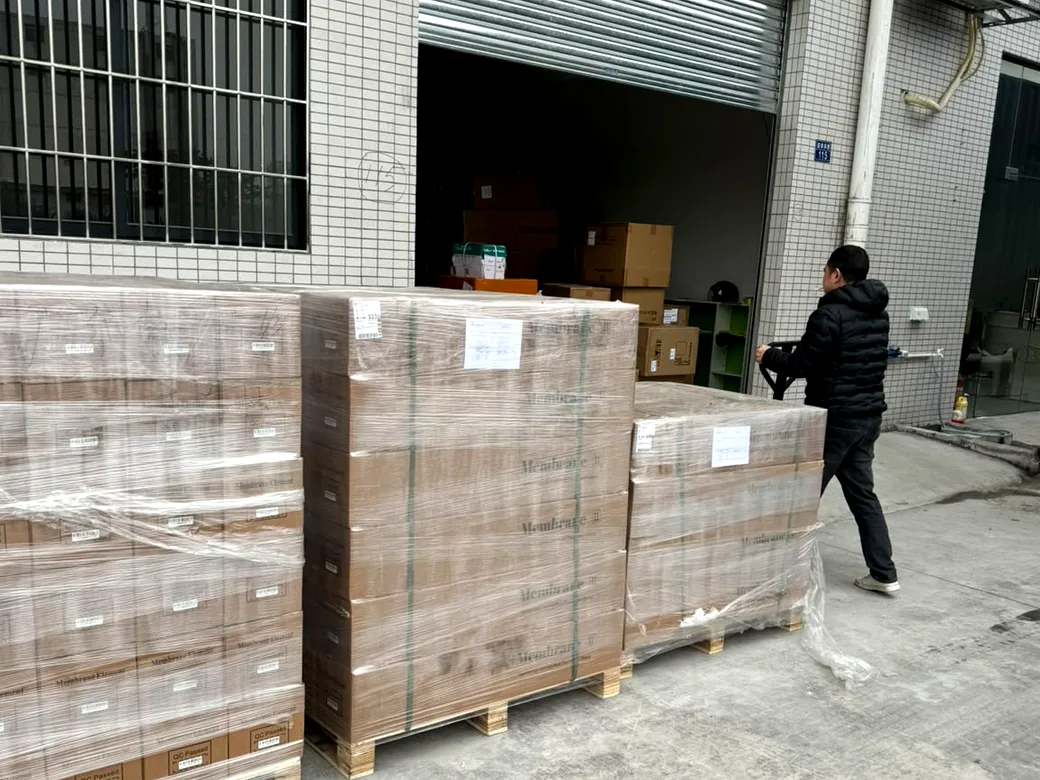
Most of the disputes we are called into are not about freight rates. They are about a term that was agreed in one word and understood in two different ways. A buyer reads CIF as “delivered to me” and then receives a bill at destination. A seller quotes EXW and the buyer discovers they are responsible for export clearance in a country they have never worked in. Neither is a trick — it is what the letters mean. Reading them correctly before the order is placed is the cheapest step in the whole chain.
The Idea
Two Lines, Not One.
Every Incoterm draws two separate lines, and confusing them is the most expensive mistake on this page.
- The cost lineWhere the seller stops paying and you start. Freight, terminal charges, clearance and inland delivery each sit on one side of it or the other.
- The risk lineWhere responsibility for loss or damage passes to you. If the cargo is damaged after this point, it is your claim to make, not the seller’s.
- They are not always the same pointUnder CFR and CIF the seller pays the sea freight to your destination port, but risk passes to you when the goods are loaded on board at origin. You are paying for freight on cargo that is already at your risk.
- The named place is part of the term“FOB” on its own means nothing. “FOB Ningbo” means something. A term is incomplete without the place — and without the version, which is why contracts write “(Incoterms 2020)”.
In Practice
The Terms You Will Actually See.
Eleven terms exist. A handful cover almost everything on a China–Jordan invoice.
- EXW — Ex WorksThe goods are made available at the seller’s premises and everything after that is yours, including export clearance in the seller’s country. It looks like the lowest quote and is usually the hardest to execute.
- FCA — Free CarrierThe seller clears the goods for export and hands them to the carrier you nominate. It is the cleaner version of what most buyers assume FOB does, and unlike FOB it works for air and for containers handed over at a terminal.
- FOB — Free On BoardSea and inland waterway only. The seller clears for export and delivers the goods on board the vessel; from that moment they are at your risk. The most common term on Chinese invoices.
- CFR and CIF — freight paid to your portThe seller arranges and pays the sea freight to the destination port. CIF adds insurance on top of CFR. Under both, risk passed to you back at origin, on board.
- DAP and DPU — delivered, not clearedThe seller brings the goods to a named place in Jordan. Import clearance and duty stay with you. Under DPU the seller also unloads them; under DAP you do.
- DDP — Delivered Duty PaidThe seller carries the whole chain to your door, including import clearance and duty. What that actually involves is set out on our DDP page.
Which term suits you depends on how much of the chain you want to hold, not on which quote looks smallest. A low EXW price with charges you did not expect is not a low price.
The Traps
Where Importers Lose Money.
These are the four we see most often on shipments arriving at Aqaba.
- Reading CIF as “delivered”CIF ends at the destination port. Terminal handling, customs clearance, duty and the inland leg are still yours. A CIF quote and a landed cost are different numbers, and comparing one against the other is how a cheap offer stops being cheap.
- Assuming CIF insurance is full coverUnder Incoterms 2020, CIF obliges the seller to buy only the minimum level of cargo insurance. If you want wider cover it is agreed deliberately — with the seller, or on your own policy — rather than assumed.
- FOB with the seller’s forwarderYou are told the term is FOB, but the seller nominates the forwarder, and origin charges you never agreed to appear on your invoice at destination. Nominating your own forwarder is the whole point of buying FOB.
- EXW without settling export clearanceUnder EXW the buyer is responsible for clearing the goods out of the seller’s country — something a foreign buyer often cannot do in practice. In most cases the seller ends up doing it anyway, so it belongs in the agreement rather than in an assumption.
Common Questions
Incoterms, Answered.
What is the difference between FOB and CIF?
Under FOB you arrange and pay the sea freight from the port of shipment. Under CIF the seller arranges and pays it through to your destination port and adds insurance. Under both, risk passes to you once the goods are on board at origin.
Does CIF mean the goods are delivered to me?
No. CIF ends at the destination port. Terminal charges, customs clearance, duty and the inland leg to your address remain the buyer’s unless the contract says otherwise.
Which Incoterm is the cheapest?
None of them, by itself. The term decides who arranges and pays for each step, not what those steps cost. The comparison worth making is the landed cost of the whole chain, not the figure printed next to the term.
What does “Incoterms 2020” mean, and do the rules decide ownership?
Incoterms 2020 is the current published version of the rules; because the definitions have changed over the years, contracts name the version — for example “FOB Ningbo (Incoterms 2020)”. The rules allocate cost, risk and who handles clearance. They do not transfer ownership of the goods, and they do not replace the sale contract.
Am I insured under CIF?
You have the minimum cover the rule requires, which is narrower than most buyers assume. Wider cover is arranged on purpose, either by agreement with the seller or through your own policy.
Which term should I use for importing into Jordan?
It depends on how much of the chain you want to hold. Buyers who want one invoice and one party responsible to the door usually ask about DDP; buyers who want to control the freight and the forwarder usually buy FOB or FCA. Send us the proforma and we will tell you what each option looks like for that shipment.
Read Next