Importing from China to Jordan — How the Whole Process Works.
Importing from China to Jordan is a sequence of decisions, and most of them are made before the cargo moves. What you agree with your supplier decides who pays for what. The mode you choose decides the cost and the speed. The documents decide whether clearance can start without a correction. This guide walks through the whole journey, in order.
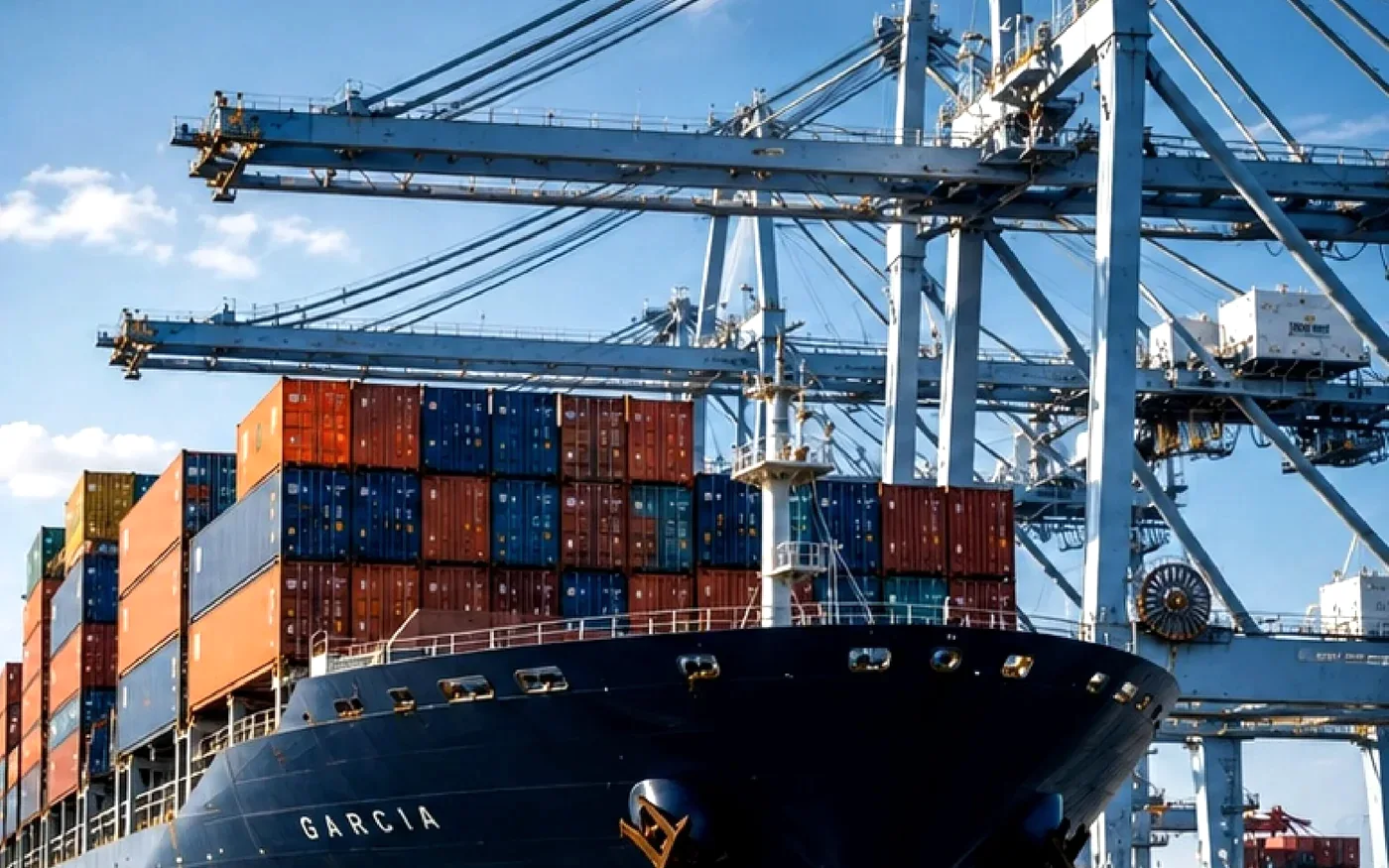
The Whole Journey
From Purchase Order to Your Warehouse.
An import from China to Jordan normally runs through the same stages, whoever handles them. The sequence matters, because each stage constrains the one after it — and the decisions that shape the cost are usually taken at the start, before anything moves.
You can run those stages yourself, with a supplier, a freight agent, a customs broker and a trucker each answering only for their own piece. Or you can put the whole chain with one forwarder. The stages do not change either way — only how many separate companies you have to contact when one stage is late.
Control at Both Ends
Why It Matters That a Jordanian Company Holds the China End Too.
Importing from China to Jordan has two ends, and most of what goes wrong happens in the distance between them: a document that does not match the goods, an HS code in dispute, a container waiting on a piece of paper. When both ends sit inside one company, there is no gap for responsibility to fall into.
- In ChinaOur warehouse receives from your suppliers, checks the goods, and consolidates them under one packing list before anything moves.
- In JordanA licensed company in Amman, customs clearance by our own in-house team, and our own people at Aqaba port.
- And Between ThemOne contract and one accountable party — from your supplier’s door to your warehouse door.
The difference does not show on a routine shipment. It shows when something breaks: the question then is not who is cheapest, but who answers, and who has the authority to act at both ends.
Step One — Terms
EXW, FOB, CIF and DDP: Who Pays, and Who Carries the Risk.
Before price and before schedule, you and your supplier agree one three-letter term. It does two separate things: it fixes how far along the journey the seller arranges and pays for transport, and it fixes where the risk of loss or damage passes to you. Those two points are not always the same place.
The practical difference is control. Under EXW you control the whole chain and carry the work of arranging it. Under FOB you take over at the port of loading, which is the usual starting point when a forwarder handles the shipment. Under CIF the supplier picks the carrier and the routing, and you accept the consequences of that choice when the cargo arrives.
Two habits are worth keeping. Write the named place into the term, because FOB on its own names no port and means different things at different ones. And state which edition of the rules your contract follows, since the International Chamber of Commerce revises them periodically. If you would rather buy the whole chain as one delivered price, that is DDP.
- EXW — Ex WorksThe seller makes the goods available at its own premises and does nothing more. Inland transport, export clearance, freight and import clearance are yours to arrange and pay for. In China this needs care: a foreign buyer cannot file a Chinese export declaration in its own name, so the export still has to be handled by the supplier or by a licensed agent in China acting for you. Agree who is doing it before you agree the price.
- FOB — Free on BoardThe seller delivers the goods on board the vessel at the port of shipment and clears them for export. Cost and risk are yours from that point. It is a sea term.
- CIF — Cost, Insurance and FreightThe seller pays the sea freight to the destination port and takes out cargo insurance, but the risk passes to you once the goods are on board the vessel at origin. Read the policy before you rely on it: the term obliges the seller to buy only the minimum level of cover the rules require, and the cover is bought in your name because the risk is yours. If your goods need more than that, agree it in writing before you order.
- DDP — Delivered Duty PaidThe seller delivers to your address in Jordan, cleared for import, with duty and tax paid. Of these four terms, DDP gives the seller the most responsibility.
Step Two — Mode
Sea or Air, Full Container or Shared.
Two decisions sit here, and they are separate. First, sea or air. Then, if it goes by sea, whether your cargo travels in a container of its own or shares one.
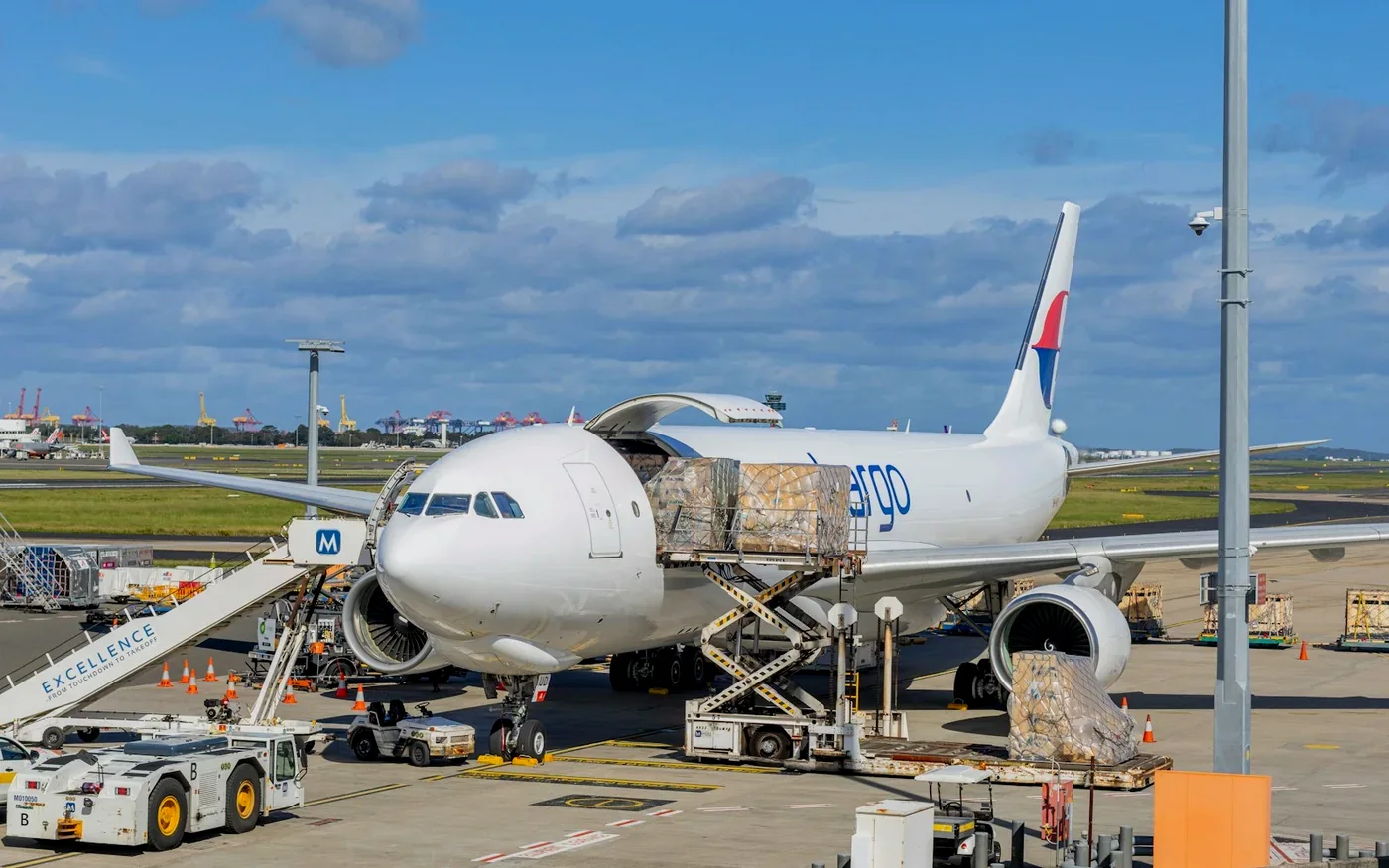
Sea freight is the normal choice for most imported goods because it costs much less per unit of cargo, and sea shipments for Jordan discharge at Aqaba. Air costs more and takes much less time, which makes it the answer for samples, urgent replacement parts and high-value goods. Air cargo is normally charged on whichever is greater, the actual weight or the volumetric weight — the weight calculated from the space the shipment occupies — so light goods that take up a lot of space are expensive to send by air.
By sea the second question is whether to book a container for your cargo alone or to buy space in a shared one. A container is priced as a box: one rate for the container, whatever is inside it, up to the weight the container and the road can legally carry. Shared cargo — LCL — is priced on what your consignment takes up rather than on the box, so a whole container usually becomes the cheaper option well before your cargo fills it. Ask for both prices before you decide.
Step Three — Documents
What an Import Needs on Paper.
A document error usually costs more than a slow sailing, because the cargo waits while the error is corrected. A clean file is what lets clearance start without a correction; a file that contradicts itself is corrected before the goods are released, and the charges run while that happens.
Those charges come from more than one company. The shipping line charges demurrage while its container stays in the port beyond the free days, and detention once the container has left the port and has not yet come back empty, and the terminal charges its own storage on top. That is why a delayed file costs more than importers expect. The same error found at origin usually costs no more than a reissued document.
Three documents travel with a normal import: the commercial invoice, the packing list, and the transport document — a bill of lading by sea, an air waybill by air. The transport document is the one that decides when the goods are handed to you. An original bill of lading is a document of title, so the shipping line releases the cargo to whoever presents it, which is why it normally moves through the banks. An air waybill carries no title; the airline releases the cargo to the consignee named on it.
A certificate of origin is normally expected on a commercial import into Jordan, and it is the document you need if the goods qualify for a lower rate of duty under a trade agreement. Beyond that, what your goods need depends on the commodity, and that is the part first-time importers discover too late. Ask your supplier for the full document set when you place the order, not when the cargo is ready to load. Tell us what you intend to buy and we will confirm what applies.
Step Four — Classification and Duty
How the Duty on Your Import Is Decided.
Duty is not a percentage of the figure at the foot of your invoice. It is a rate attached to a code, applied to a value the customs authority calculates.
Your goods are declared to customs under a Harmonized System code. The duty rate attaches to that code, not to the description you or your supplier write on the invoice, which is why two products from the same catalogue page can be charged differently. A wrong code costs money in both directions: too low and the declaration is corrected with a penalty, too high and you have paid duty you never owed.
The value the rate is applied to is not your invoice total either. It starts from the price paid for the goods and normally includes what it cost to bring them to the point of entry, then is adjusted under the valuation rules applied there. General sales tax is normally assessed on imports as well. We prepare the classification and calculate duty and tax on what we intend to declare, so you have a landed-cost estimate before we file rather than a surprise after arrival.
Step Five — Arrival
Clearance and Release in Jordan.
Sea cargo for Jordan discharges at Aqaba; air cargo normally arrives in Amman. In both cases the goods stop moving until an import declaration has been filed and accepted, so what happens next runs on the file rather than on the freight.
When the ship or the aircraft arrives, the goods normally stay where they are until an import declaration is filed in your name and accepted by the customs authority. Filing it in your name is what makes you the party answerable for what it states, whoever prepares it. What the declaration has to carry, how the value it is assessed on is built, and what happens between filing and release are set out in full on our customs clearance page.
Customs release is not the last gate. The carrier releases the cargo separately, against the transport document and payment of the charges at destination. For a sea shipment that means the original bill of lading, or a written release from the line once your supplier is paid, has to be in place — otherwise the goods sit in the port with charges running even after customs has finished with them.
Whether that is slow or fast is largely decided weeks earlier, at origin. A shipment whose documents were checked against what the declaration would have to state arrives ready to file. A shipment whose documents were never checked arrives and then starts being corrected, with charges running against it the whole time. That is the argument for keeping freight and clearance with the same company.
All of this assumes the goods are staying in Jordan. If the consignee is in Iraq instead, the cargo crosses Jordan in transit: it does not enter the Jordanian market, and no Jordanian duty is collected on it. That lane is covered separately in China to Iraq through Aqaba.
What Goes Wrong
The Mistakes That Cost First-Time Importers Money.
None of these mistakes are unusual. They are the ordinary ones, and each is cheap to avoid at the moment it is made and expensive to fix at the moment it surfaces.
All five are created early and discovered late. The first two are decided at the negotiating table, before anything is built. The last three are visible at origin, before the container closes, which is why the checks that matter belong there — at the warehouse your suppliers deliver to. Checking what is sealed inside a carton is a pre-shipment inspection, and that is a separate exercise.
- Agreeing a term without reading itAccepting CIF because the supplier offered it, then finding that the supplier chose the carrier and the routing, that the cover is only the minimum the term requires, and that the risk has been yours since loading.
- Letting the supplier write the descriptionAn invoice describing the goods only as samples or accessories tells the customs authority nothing, and a declaration built on it will be queried. The description has to describe the goods.
- Ordering before checking what the goods needSome commodities need a permit, an approval or a certificate of origin to enter Jordan. Establishing that before the order is cheap; establishing it after the cargo has sailed is not.
- Comparing freight rates instead of landed costsThe rate is one line. Duty, tax, destination handling and delivery are the rest, and a low rate with unstated destination charges is not a low price.
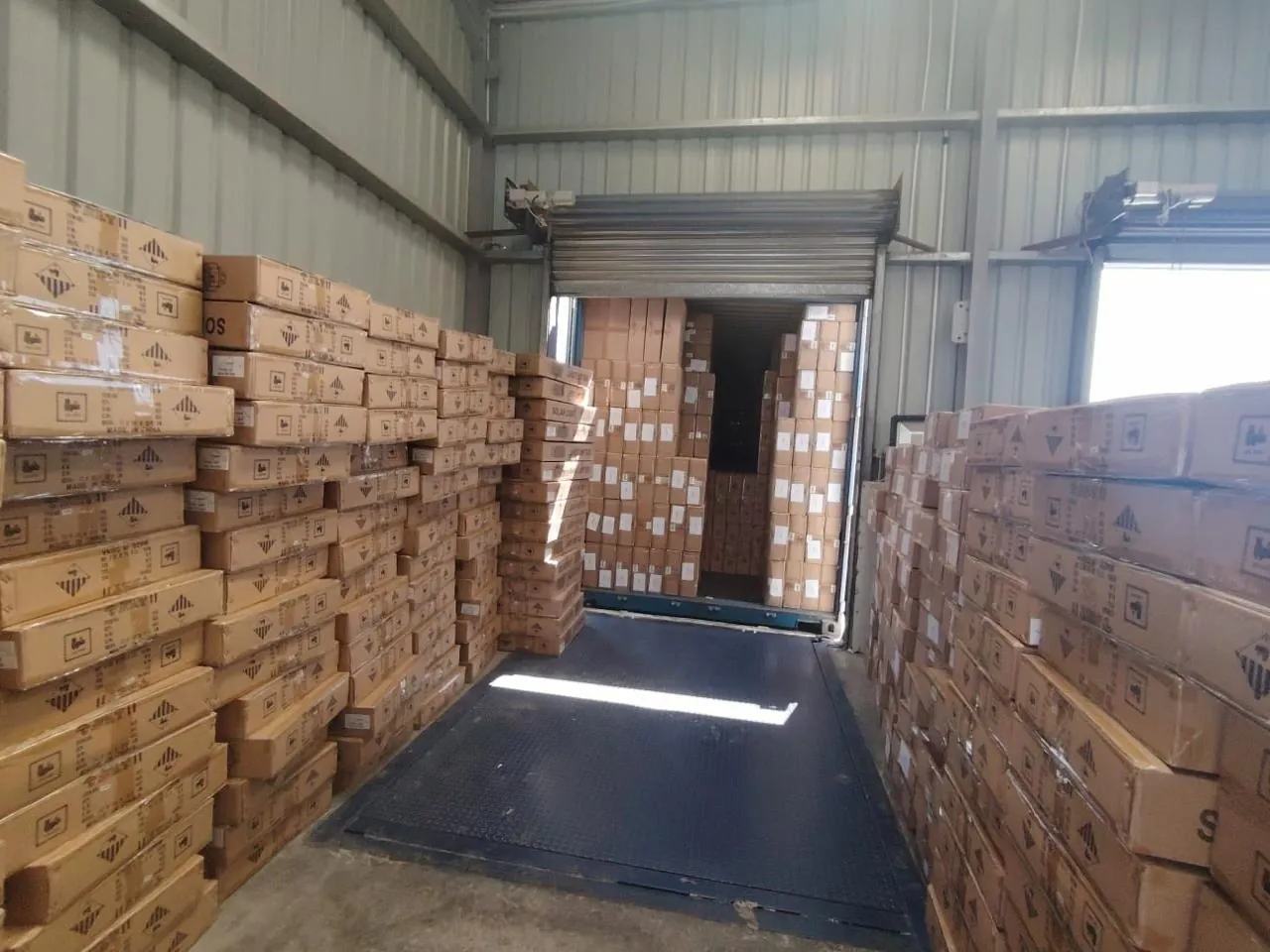
- Packing for the warehouse instead of the journeyA carton strong enough for a storeroom shelf is often not strong enough for a container, a forklift and a truck. Packing is a shipping decision, not a supplier's afterthought.
Frequently Asked Questions.
What is the difference between EXW, FOB, CIF and DDP?
They are Incoterms, and each one moves two things: how far the seller arranges and pays for transport, and where the risk passes to you. Under EXW you arrange everything from the supplier's premises. Under FOB the seller loads the vessel and clears the export, and cost and risk are yours from there. Under CIF the seller pays the sea freight and buys the minimum cover the term requires, but risk still passes to you at loading. Under DDP the seller delivers to your address with duty and tax paid.
Should I ship from China by sea or by air?
By volume and urgency. Sea costs much less per unit of cargo and is the normal choice for stock orders; sea shipments for Jordan discharge at Aqaba. Air costs more and takes much less time, which suits samples, urgent replacement parts and high-value goods. Air cargo is normally charged on whichever is greater, the actual weight or the volumetric weight, so light goods that take up a lot of space are expensive to send by air.
What makes up the landed cost of importing from China?
More than the freight rate. The rate covers the move; duty, general sales tax, destination handling and delivery to your address are separate lines. Duty and tax are assessed by the customs authority on the classification and value it accepts, so any figure quoted before filing is an estimate. Compare quotations on the total delivered cost rather than on the freight line, and ask which of those items is missing from the number you were given.
When do I actually receive my goods after they arrive in Jordan?
After two separate releases, not one. Customs releases the declaration once it has been accepted, the duty and tax are settled, and any inspection the commodity requires is complete. The carrier then releases the cargo itself, against the transport document and payment of the charges at destination — for a sea shipment, the original bill of lading or a written release from the line once your supplier is paid. Delivery to your address follows the second of those, not the first.
What do first-time importers get wrong most often?
Four come up again and again: agreeing an Incoterm without reading what it moves, letting the supplier write a goods description that classifies nothing, ordering before checking what the commodity needs to enter Jordan, and comparing freight rates instead of total delivered costs. Each is cheap to avoid at the moment it is made, and expensive once the cargo is loaded, because by then it can only be corrected while the goods wait.
Do I need cargo insurance, and does my Incoterm cover it?
The answer above sets out which term obliges anyone to buy cover. It does not settle whether the amount would be enough for you. By the time goods reach Jordan, more than the invoice is at risk: freight, duty and tax have been committed too. Cover bought by a seller under CIF is taken out on the contract value, not on your landed cost, and cover sits outside a DDP price rather than inside it. Decide the sum you want covered before you order, and tell us at booking.
Start Before You Order
Tell Us What You Plan to Import.
Send the product, the quantity and where it is coming from. We will come back with the mode that fits, the documents the goods will need, and a quotation that sets out the freight together with the duty and tax we expect on the classification, rather than the freight rate alone. China is our busiest lane; we forward from origins worldwide.