Land Freight in Jordan — Trucking, Borders and the Inland Leg.
MASA arranges land freight for cargo moving by road: cross-border trucking between Jordan and markets in the region, and the inland leg that carries containers and loose cargo from Aqaba or the airport to the delivery address. Road is the mode that carries cargo the last part of the way on almost any route. We plan the route, book and control the movement, and keep one accountable team on the file from collection to delivery.
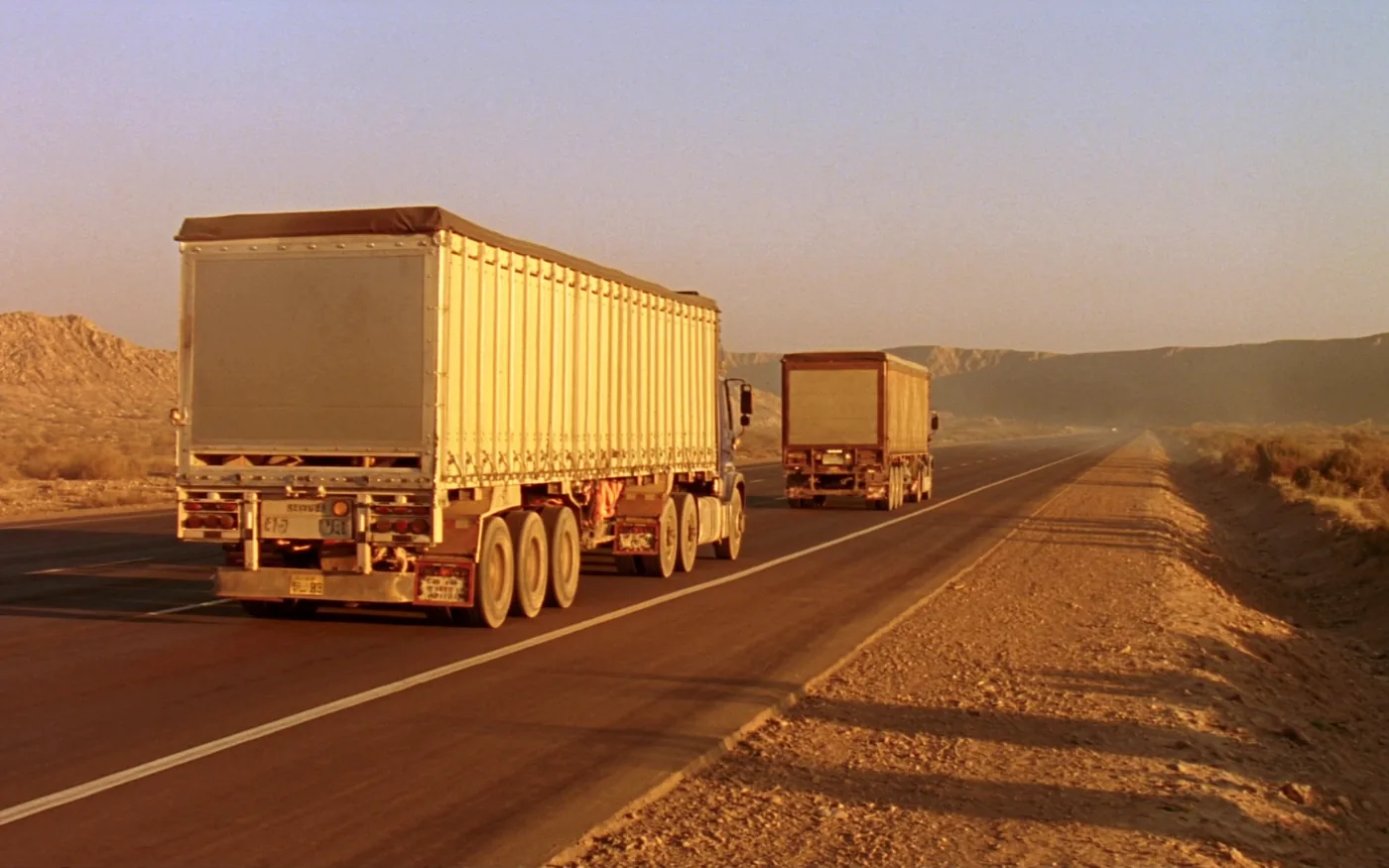
Choosing the Mode
When Road Is the Right Mode.
Sea and air describe the crossing. Road describes almost everything else — the movement that brings cargo to the port, the movement that takes it away again, and the whole journey wherever a truck can reach the destination without an ocean in the way. It is the least discussed mode, and the one that finishes a shipment whenever the destination is an address rather than a terminal.
- Origin and destination sit on the same landmass
- The cargo has already landed and still has to reach an address
- The quantity suits a trailer rather than a vessel
- You need the cargo delivered rather than made available at a terminal
- The route can absorb a border control step
Road earns the whole job whenever origin and destination sit on the same landmass and a truck can be driven between them. Between Jordan and markets in the region that is usually the case, which is why a regional move that would be a sea or air question elsewhere is a trucking question here. The cargo is loaded once, and it comes off at the address on the file.
Road also has limits worth naming before you plan around it. A trailer is limited by what the road permits it to weigh as well as by what fits on the deck, so quantity beyond a point stops being a road question. The route has to exist and be open, and a land border adds a control step a domestic run does not have. Where those conditions do not hold, sea or air is the honest recommendation and we say so.
The Leg That Finishes Every Shipment
Inland Transport in Jordan — From Aqaba or the Airport to Your Door.
Cargo arriving in Jordan by sea is discharged at Aqaba. Cargo arriving by air lands at Queen Alia International Airport in Amman. Neither of those is where you wanted it. The run from the gate to your warehouse, factory or site is a road movement, and it is the stage where a shipment stops being a shipment and becomes stock you can sell.
That leg is planned with the arrival rather than after it. The vehicle is matched to what is coming — a trailer for a container, a flatbed for cargo that will not sit inside one, a smaller unit where the delivery address cannot take a full-size truck — and it is booked against the release rather than against the vessel's schedule, because release is what actually frees the cargo.
The delivery address decides more than people expect. Access, turning space at the gate, whether there is a loading dock or a forklift, and whether anyone will be there to receive and sign are all things a truck cannot solve on arrival. We ask about them when we plan the leg, because a vehicle that arrives and cannot discharge becomes a second movement rather than a delay.
A full container also books a second vehicle movement that is easy to overlook. The empty has to go back, and where the delivery address has no space to hold it, that return run has to be planned against the same slot as the delivery rather than found afterwards. We book it with the delivery leg rather than after it.
How the Truck Is Bought
FTL vs LTL — Why MASA Commits the Whole Truck.
MASA moves road freight as full truck load (FTL): the trailer is committed to your cargo and to nobody else's. Road freight in general is sold two ways, and it helps to know both when you compare quotes — take the whole vehicle, or take a share of one. FTL is Full Truck Load. LTL is Less than Truck Load, where a consignment travels alongside other people's on the same deck; MASA does not offer LTL.
What you buy with FTL is the deck and the schedule. The truck loads at your origin and runs to your destination, and on a direct movement the cargo is handled twice — once on and once off. Nothing is sorted or re-stacked in between, so the risk of damage and the risk of a consignment going astray both fall. You are also paying for the whole trailer whether or not your cargo fills it.
Where a crossing requires the load to be transferred to a vehicle admitted on the other side, we say so at booking rather than at the border. That transfer is a handling the plan has to allow for, and it changes how the cargo should be crated, stacked and secured before it ever leaves the origin.
LTL buys space rather than a vehicle, and road measures that space in a way sea and air do not. What a shared trailer sells is deck length — the run of floor your pallets occupy along the trailer, together with the weight riding on it — and the consignment is rated on whichever of the two comes out higher rather than on both added together. A pallet nothing can be stacked over consumes the full height above it and is charged for the floor it blocks.
LTL also carries a routing consequence FTL does not. A shared load is normally collected, consolidated with other freight at a groupage point and reloaded, which is where the extra handling and the extra time come from. That is the trade being made. Neither answer is better in principle — the cargo, the deadline and the quantity decide, and moving between them is a conversation rather than a change of provider.
- Take FTL when the cargo fills the trailer or should not be sharedOne load, one unload and no sorting hub in the middle — the option for fragile, high-value or handling-sensitive goods.
- Smaller than a truck? Ask usMASA quotes road freight as a dedicated vehicle. For a consignment of a few pallets, tell us the volume and destination — we will advise whether a dedicated truck or LCL by sea fits better.
- Let the floor plan decide when the cargo is light and bulkyA shared trailer sells deck length, so pallet footprint and whether anything can be stacked on top can move the figure as much as gross weight does.
- Let the deadline decide when the two are closeA dedicated vehicle runs to its own plan; a shared load runs to the network's, and the groupage step sits between collection and delivery.
Sea Arrival Against Land Arrival
What Changes When Cargo Crosses a Land Border.
An importer who has only ever received cargo by sea expects the destination to be a terminal: the box is discharged, it sits in a stack, and the clock that matters is the carrier's free time. A road movement does not work like that. The cargo never leaves the vehicle, and the vehicle, the driver and the load are presented to the frontier together.
That is the first real difference. At a port the cargo waits and nobody stands next to it. At a land border the truck waits with it, and a committed vehicle and driver are a cost that runs whether the queue is long or short. It is why a road movement is quoted around a route and a vehicle rather than around a rate per container.
The second is that the decision of where to declare changes what the driver is carrying. Enter at the frontier and the vehicle is committed to whatever the border decides; move under customs transit, where the procedure is available for that route, and the truck runs sealed to an inland customs centre with a different set of papers in the cab and a different route programmed. That is planned before the truck loads and confirmed at the frontier, where customs decides where the goods may be declared.
The third is who decides. A border is a control point run by an authority, and examinations, inspections and closures sit with them rather than with us or with the carrier. We prepare what we control — the file, the documents, the vehicle and the routing — and we tell you plainly which parts of the movement belong to somebody else.
How a Road Movement Runs
From Route Plan to Signature at the Door.
A road movement looks simple from outside — a truck goes from A to B. What sits underneath it is a sequence, and every step in it is decided before the vehicle is loaded rather than while it is moving.
Securing the load is the step easiest to underestimate. Road puts a different set of forces through cargo than the sea leg does — braking, cornering, camber and road shock, sharp and repeated rather than the slow roll of a hold — so how the load is stacked, strapped and blocked on the deck matters as much as which vehicle it is on. A load stuffed to survive a voyage is not automatically secured for a trailer.
The signed delivery record is the other step worth caring about. It is the evidence that the pieces arrived and the state they arrived in, and it is what a claim is built from if anything is short or damaged. Signing it clean before the cargo has been counted gives away the best evidence you had, so we ask consignees to check first, write any shortage or damage onto the record, and sign after. Damage that was not visible at the door should still be reported straight away.
The Paper the Truck Carries
What a Road Movement Has to Travel With.
A truck does not move on goodwill. It moves on a set of documents that has to agree with itself, with the cargo on the deck and with what the authorities are told — and on a cross-border run the driver carries that set physically. The commercial set the declaration is built from — invoice, packing list, proof of origin and any product permit — is the same on any mode, and it is set out on our customs clearance page. What follows is only what the driver carries.
- A consignment note for the road leg
- The customs document the movement runs under
- Vehicle and driver papers
The rule underneath all three is consistency. A piece count on the consignment note that does not match the packing list, a description on the invoice that does not match what is on the pallet, a weight nobody reconciled — each is a cheap fix before loading and a stopped truck at the frontier. We check the set against itself before the vehicle is loaded, the only point where correcting it costs nothing but attention.
Quoting a Road Movement
What We Need Before We Can Price a Truck.
A road rate is built from a route and a vehicle rather than from a tariff, so a quote given without the route is a guess. Six things settle it, and enquiries often arrive with only part of the list. Send the rest and we can price the route instead of coming back with questions.
Two answers save more time than the others. The addresses, because a route is a real thing rather than a line drawn between two cities. And the trade term, where the cargo is arriving from abroad, because it decides which end of the journey your supplier has already paid for and therefore where our road leg actually begins.
If you are the seller, the trade term matters just as much in the other direction: it fixes where your responsibility for the cargo ends, and terms written for a vessel do not describe a truck. On a road export, tell us the term you agreed and the place named with it, and we will confirm where our leg starts and where yours stops.
- The exact pickup and delivery pointsNot the countries and not the cities — the addresses, because the last stretch at each end decides the vehicle and sometimes the route.
- What the cargo isThe commodity, and whether it is palletised, crated, loose or in a container, because that decides the deck it needs and how it is secured.
- Weight and dimensionsGross weight and the measurements as the cargo will actually be presented, including anything that cannot be stacked over.
- Whether the movement crosses a borderA domestic run and a cross-border run are different products with different paperwork, even over a comparable route.
- Access at both endsLoading dock or ground level, forklift or no forklift, and whether a full-size vehicle can reach the address and turn there.
- When it has to be thereA committed date changes how the vehicle is planned, and it is better priced in at the start than discovered after booking.
Frequently Asked Questions.
What is land freight?
Land freight is cargo moved by road: a truck carries the consignment from where it is collected to where it is delivered. In practice it covers two jobs. It is the whole journey on a regional move where origin and destination can be reached by road, and it is the inland leg that carries cargo from a port or an airport to the delivery address after a sea or air shipment lands.
What is the difference between FTL and LTL?
FTL is Full Truck Load: the trailer is committed to your cargo alone, loaded once and unloaded once, with no sorting step in between. LTL is Less than Truck Load: your consignment shares the deck with other freight and is normally consolidated with other loads at a groupage point and reloaded. FTL suits a full or handling-sensitive load. LTL suits a consignment smaller than a truck, and it is rated on the deck space it occupies and the weight riding on it, whichever comes out higher. MASA moves road freight as FTL only.
Do you handle cross-border trucking from Jordan?
Yes. Cross-border road movement between Jordan and markets in the region is part of our land freight service, alongside inland transport within Jordan. It is quoted per route rather than from a tariff, so send the pickup and delivery addresses, what the cargo is, and its gross weight and dimensions. We plan the route, the vehicle and the border stage, and keep one accountable team on the file through to delivery.
How long does a cross-border road movement take?
We give you a plan for your specific route rather than a published figure, and we do not publish crossing times. A border is a control point run by an authority: examinations, inspections and closures are decided there, not by us and not by the carrier. What we commit to is the part we control — the routing, the vehicle, the documents and a file prepared before the truck loads. The plan for your movement is set out when we quote it.
How is a land freight quote priced?
On the route and the vehicle, not from a list. What moves the figure is where the cargo is collected and delivered, whether the movement crosses a border, the weight and dimensions, and whether it takes a whole trailer or a share of one. Send those and we price the route on them, and set out what the figure covers and what sits outside it. Duties and taxes, where they apply, are estimated alongside the road rate, calculated on the classification and the declared value and finally assessed by customs.
Can you deliver from Aqaba to my warehouse?
Yes, and that leg is planned with the arrival rather than after it. Cargo discharged at Aqaba, or landed at Queen Alia International Airport in Amman, is delivered by road to the address on your file, with the vehicle matched to the cargo and to the access at the delivery point. Where a full container is involved, the return of the empty is planned with the delivery rather than found afterwards.
Can you move dangerous goods by road?
Dangerous goods are handled via certified licensed partner agents — subject to MSDS review, carrier acceptance, and route restrictions. On a road movement that means the safety data sheet is reviewed first, the carrier decides whether it will accept the cargo, and the route may limit what can move. Send the MSDS with your enquiry before anything else is arranged, because acceptance is decided on the product rather than on the booking.
Start With the Route
Tell Us Where It Loads and Where It Goes.
Send the pickup address and the delivery address, what the cargo is, and its gross weight and dimensions — and say whether the movement crosses a border, because a domestic run and a cross-border one are different products. We come back with a land freight quote for the route, the vehicle it needs, and a straight answer on whether a whole trailer or a share of one serves you better.