LCL Shipping & Consolidation — Pay Only for Your Space.
LCL — Less than Container Load — moves your cargo in a shared container, so you pay for the volume you use instead of a full box. We consolidate from origins worldwide, and your goods are received, checked and combined at MASA's own warehouse facilities before they ship. China is our busiest lane, on a weekly loading cycle.
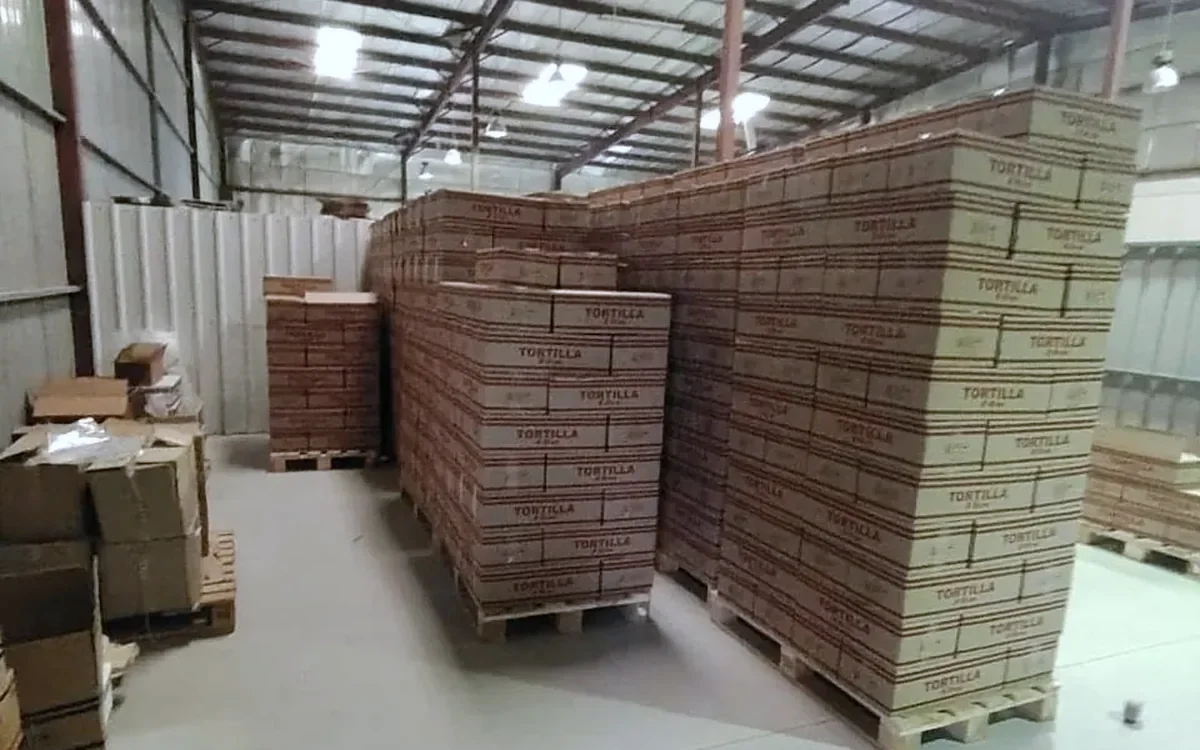
When LCL Fits
Small Volumes. Serious Handling.
LCL is the right mode when:
- Your order does not fill a container, and paying for one would eat the margin
- You are testing a new supplier or product with a first, smaller order
- You restock in regular small batches rather than big seasonal buys
- Several of your suppliers each ship a few pallets or cartons
And when your volumes grow, moving up to a full container is a conversation, not a new provider — FCL runs on the same contract and the same team.
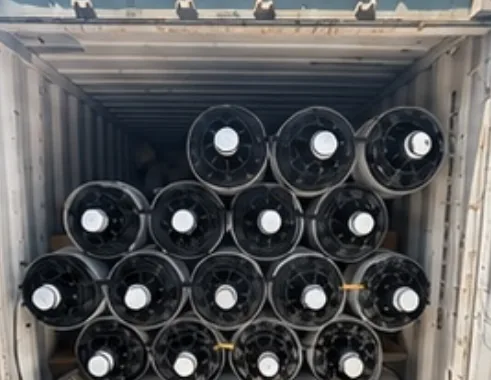
From Your Suppliers to One Container
How LCL Works at MASA.
The difference between LCL that works and LCL that disappoints is what happens at origin. Ours runs through our own warehouse operations — not an open co-load chain.
The LCL Flow
- Cargo Received
- Checked & Registered
- Consolidated
- Loaded on the Weekly Cycle
- Customs Clearance
- Delivery
Consolidated cargo moves on MASA's weekly loading cycle out of China.
Before It Ships
Five Things to Settle With Your Supplier.
Most LCL problems are decided before the cargo leaves the factory. A shared container is unpacked by people who have never seen your goods, against a manifest, so the cargo has to identify itself. These five points are what we ask every shipper to settle with the supplier before the cargo ready date.
- Cargo ready dateThe date the goods are packed and available for collection — not the date production ends. Consolidation runs to a cut-off at the warehouse; cargo that arrives after it waits for the next cycle.
- Shipping mark on every cartonA short consignee code, the destination and the carton number out of the total (1/40, 2/40 …), printed on at least two faces. In a shared container this mark is how your cartons are found again at the destination CFS.
- Dimensions in metres, weight in kilosLength × width × height of each carton or pallet gives the CBM; the gross weight gives the other half of the chargeable figure. Get both from the supplier's packing list, not from an estimate.
- Export-grade packingCartons in a shared container are stacked against other people's freight. Double-wall cartons, strapping, and pallets for anything fragile or heavy. Loose or under-filled cartons crush.
- Packing list and invoice that match the cartonsPiece count, description and HS code on the documents must match what is physically shipped. The destination entry is cleared against these papers; a mismatch stops the release.
Why MASA
Your Cargo Never Travels Anonymously.
In a shared container, the question is who controls what goes in the box and how it is packed. At MASA the answer is our own team.
- Received and checked by our teamEvery consignment is inspected and registered at our own warehouse before it is accepted.
- Packed to survive a shared boxPalletizing and wrapping are done in-house, so your cartons are not loose among strangers' cargo.
- Documents verified before loadingPaperwork is checked at origin, so a shared container is not held up at customs by someone else's missing file.
- One counterparty, LCL or FCLMASA remains responsible end to end — and when you outgrow LCL, the same team runs your containers.
Choosing the Mode
Where LCL Stops Paying.
LCL earns its place while your cargo is smaller than the container that would carry it. Volume usually moves the answer, and weight can move it just as fast: sea freight is rated on whichever is greater, so a dense order reaches the same point at a much smaller volume. The cargo itself can move it too — goods that are fragile, high in value, strongly scented, or sensitive to what is stacked against them travel better in a container that is sealed at loading and opened at destination. So can timing: a shared container is consolidated before it loads and unpacked after it lands, and a full container does neither.
Sharing a Container
What Happens at the Other End.
Sharing a container means sharing a schedule. Your cargo is booked onto a fixed sailing and the box moves as one unit: it is sealed at loading, and nothing inside it is available until the whole container is discharged and unpacked. The carrier issues one bill of lading to the consolidator for the container as a whole, and each consignment travels on its own bill of lading. A manifest lists every consignment in the box.
At destination the container is moved to a container freight station or bonded warehouse and deconsolidated — the load broken out, each consignment separated against the manifest, and cargo released to its consignee against that consignee's own bill of lading, once its import entry is cleared. There is no equivalent step in a full container, which is why marks and piece counts matter here. For shipments into Jordan the entry is prepared by our own team, from our offices in Amman and Aqaba, and the same coordinator stays on the file through clearance.
Packing for a Shared Box
What Goes Wrong in a Shared Container.
Most LCL problems come from packaging, marking and documents. Those are visible at origin, before the container closes. Packaging first: in a shared load your cartons are stacked against cargo whose weight and shape you did not choose, and single-wall boxes, overhanging pallets and top-heavy cartons are the ones that arrive crushed. Marking next: at deconsolidation, cartons are separated by what is written on them, so an unmarked carton slows the work and invites mistakes. Then documents: piece counts and measurements feed the container's manifest, so a figure that does not match the cargo travels with it all the way to the unpack.
Those are the things we look at. Every consignment is inspected and registered at our own warehouse before it is accepted, marks are verified before it joins a consolidation, and pieces and measurements are reconciled against the documents at origin — while a discrepancy is still cheap to fix.
Frequently Asked Questions.
When is LCL the right choice over a full container?
When your cargo does not fill a container on its own. With LCL you pay for the space your cargo occupies in a shared container — and when your volumes grow, moving up to FCL is a conversation, not a new provider.
Is my cargo safe sharing a container with other companies' goods?
Cargo in a consolidation is handled more than cargo in a full container, so what protects it is how it is packed, marked and stowed. Consignments are received and checked at our own warehouse and packed to be stacked beside cargo we did not pack. Cargo insurance is coordinated on request. For fragile or high-value goods we will tell you when a full container is the better fit.
What happens to my cargo at the destination port?
The container is discharged and moved to a container freight station or bonded warehouse, where it is unpacked and each consignment is separated against the manifest. Your cargo is released against its own bill of lading once its import entry is cleared and the handling charges at that stage are settled. Into Jordan, the entry is prepared by our own team.
How is LCL priced?
By the space your cargo takes up, measured in cubic metres (CBM). Send your dimensions or volume through the quote form and the quote comes back stated clearly against them.
Can you combine cargo from several suppliers into one LCL shipment?
Yes — that is exactly what our own warehouses are for. Your suppliers deliver to us; we receive, check and combine the cargo, and one controlled shipment leaves instead of several.
Should I insure a part load that shares a container?
That is your decision, and a shared box gives you more to weigh. Your consignment is separated against the manifest and released against its own bill of lading, so a claim has to be traced back to one consignment out of a container several parties packed. Liability under the transport document is capped by the governing carriage convention, and it answers for your consignment alone rather than for its value. MASA can arrange cover through providers; we do not underwrite it. Send the cargo value with your booking.
Start With Your Volume
Tell Us Your Volume and Destination.
Send what you are shipping and where it goes — we come back with an LCL quote, and advice on whether a full container would serve you better.