Air Freight to Jordan — When Your Cargo Cannot Wait for a Ship.
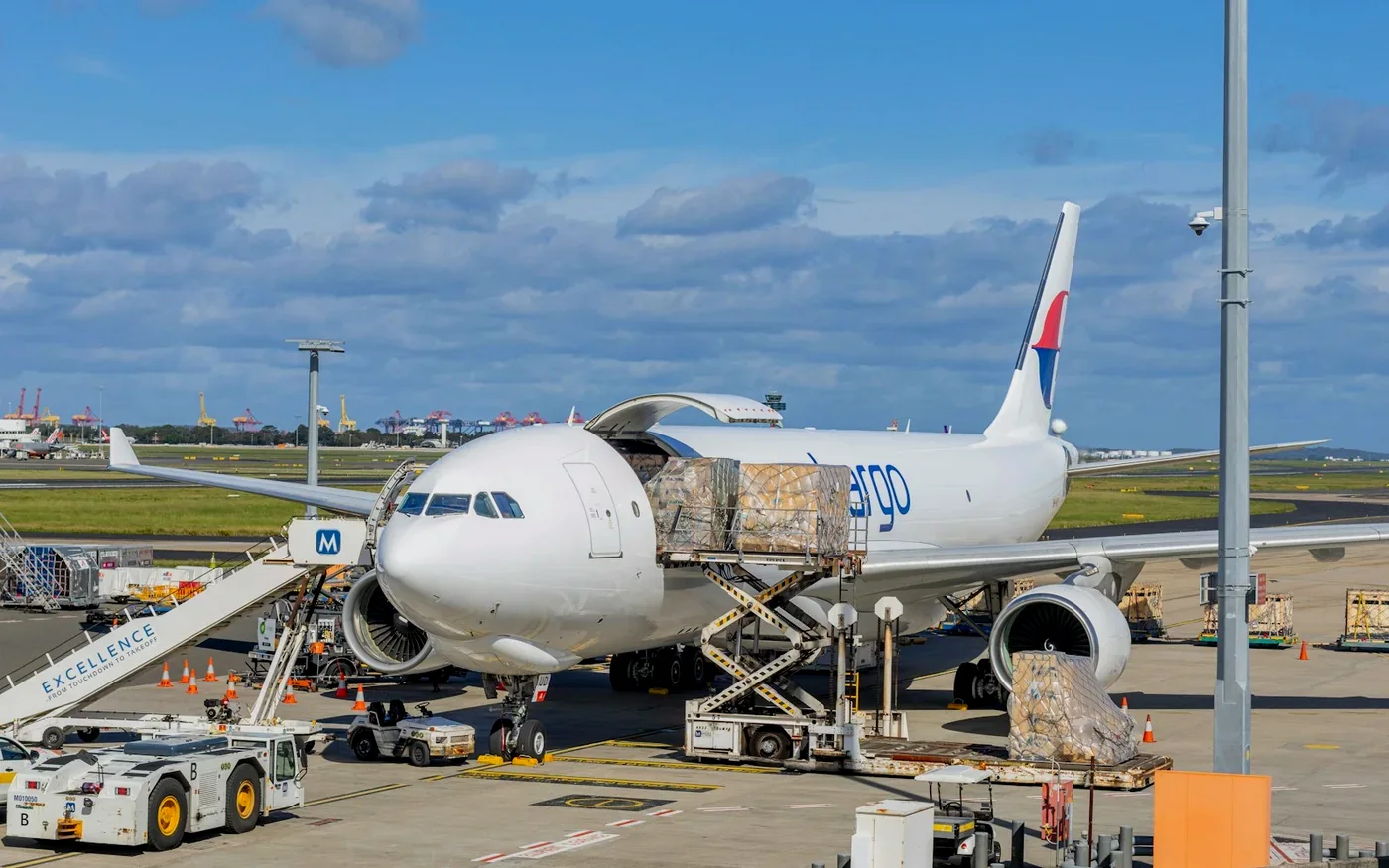
Air freight buys time, and time is the only thing it sells. Air normally costs more than sea, so it earns its place when the cost of waiting is higher than the cost of flying — a production line short of one part, an order already sold. We book air cargo from China and from origins worldwide into Jordan, with airport handling coordinated end to end and import clearance in Jordan by our own team.
Air or Sea
When Air Freight Earns Its Premium.
Air normally costs more than sea or road for the same cargo, so the useful question is not whether it is fast. It is whether the speed is worth what it costs you. That is arithmetic rather than preference, and it turns on what the delay would cost you rather than on what the freight costs.
- A production line, workshop or site is standing idle waiting for one part
- The goods are already sold and a delivery date has been committed to a customer
- The cargo is high in value relative to what it weighs, so freight is a modest share of what it is worth
- A sea shipment has been missed or rolled and the gap has to be bridged
- The product has a season, a launch date or a shelf life that a sailing would consume
Urgent air freight is a tool for one problem: it converts money into time. What the cases above share is that the cost of waiting is a real, calculable number — lost production, a penalty clause, a cancelled order, a season that closes. Set that number against the difference between the air rate and the sea rate and the decision makes itself. Where the delay costs you nothing measurable, air is usually the wrong instrument, and we will say so.
The Other Half of the Answer
When Air Is the Wrong Answer.
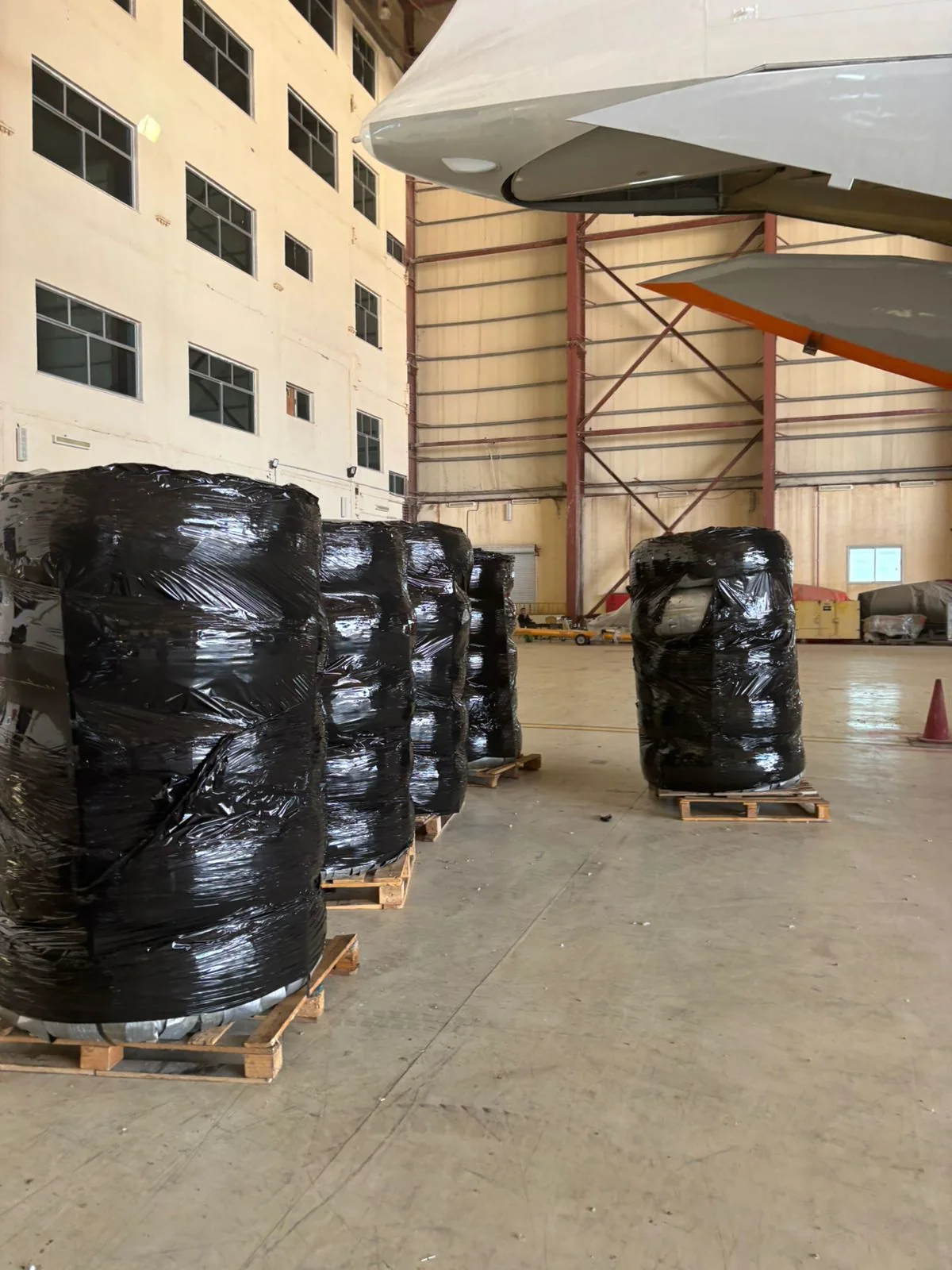
Most cargo does not need to fly. If your goods are bulky relative to their value — furniture, plastics, packaging, most building materials — air pricing works against exactly the thing that defines them, because volume drives the charge as hard as weight does. The same applies to routine restocking planned months ahead: paying an air premium to recover time you never lost is a common way to overspend.
There is a middle answer importers often miss: split the order. The line items holding your operation up fly; the balance sails, in its own container or in a shared one. One order, two modes, one contract, one coordinator. It protects the deadline without paying the air rate on cargo that was never urgent, and it is a normal way for us to build a shipment.
Air also does not have to be bought as a bare airport-to-airport service. Our DDP service runs out of China by air as well as by sea, into Jordan, the UAE, Saudi Arabia and the USA, so an urgent China shipment can move on the same single-price basis as a container — one agreed figure covering the whole chain to your address rather than a freight rate plus whatever follows.
How Air Freight Is Priced
Air Freight Pricing — Chargeable Weight, and Why Your Packing Decides It.
Air cargo is not charged on what it weighs. It is charged on whichever is greater: the actual weight of the shipment, or its volumetric weight — a figure derived from the space the shipment occupies. Whichever of the two is larger becomes the chargeable weight, and that is the number your rate is applied to.
The reason is capacity. An aircraft is limited by volume and by payload at the same time, and on most loads the space runs out before the payload does — so a light shipment that fills a large part of the hold pays for the space it denies to everything else. Dense cargo — spare parts, tooling, electronics — is normally charged on actual weight. Light, bulky cargo, or anything packed in air, foam and oversized cartons, is normally charged on volume.
This is the part of an air quote you can genuinely influence, and it happens at your supplier's premises before anyone quotes anything. Cartons sized to the goods, void fill cut back to what the goods actually need, and cartons stacked without overhang all pull the volumetric figure down. Send us your carton dimensions and gross weights and we will tell you which of the two figures is driving your cost.
The Document
The Air Waybill, and How It Differs From a Bill of Lading.
Every air shipment travels under an air waybill, issued by the carrier or by its authorised agent. It is the contract of carriage, the receipt for the goods, and the instruction sheet the handling agents work from. On a consolidation there are two: a master air waybill between the airline and the forwarder, and a house air waybill — your contract — between you and us. It is easy to assume the air waybill is the aviation version of a bill of lading. It is not, and the difference affects how you get paid and how you take delivery.
A negotiable bill of lading is a document of title: whoever presents a duly endorsed original controls the cargo, and surrendering one original of the set voids the rest, which is why sea shipments can be traded and released against surrendered originals. An air waybill is not a document of title. It is a straight consignment document, and the goods are normally released to the consignee named on its face — against proof of identity, the arrival notice and the charges due at that stage — rather than against surrender of an original.
Two consequences follow. The consignee field is not a detail: whoever is named there is who the cargo will be released to, so if your payment terms depend on control of the goods, that has to be settled before booking rather than after arrival. On a consolidation the airline releases the whole load to the break-bulk agent, who then releases your part against the house air waybill — which is why the house document is the one that matters to you.
The second consequence is a customs one. The air waybill is what the import entry is built on, so a description, a piece count or a weight that does not match the cargo becomes a clearance problem rather than a paperwork one. It is worth checking the draft before the shipment is tendered, because correcting a document after the cargo has flown is slower and more expensive than correcting it before.
Airport Handling
Airport Handling — Why the Flight Is the Shortest Part of an Air Shipment.
The flight itself is the quickest stage of an air shipment. The shipment is not quick because of it. Most of what determines when your cargo actually reaches you happens on the ground at both ends, and the ground stages are the ones a forwarder can influence — which is why they are where we concentrate.
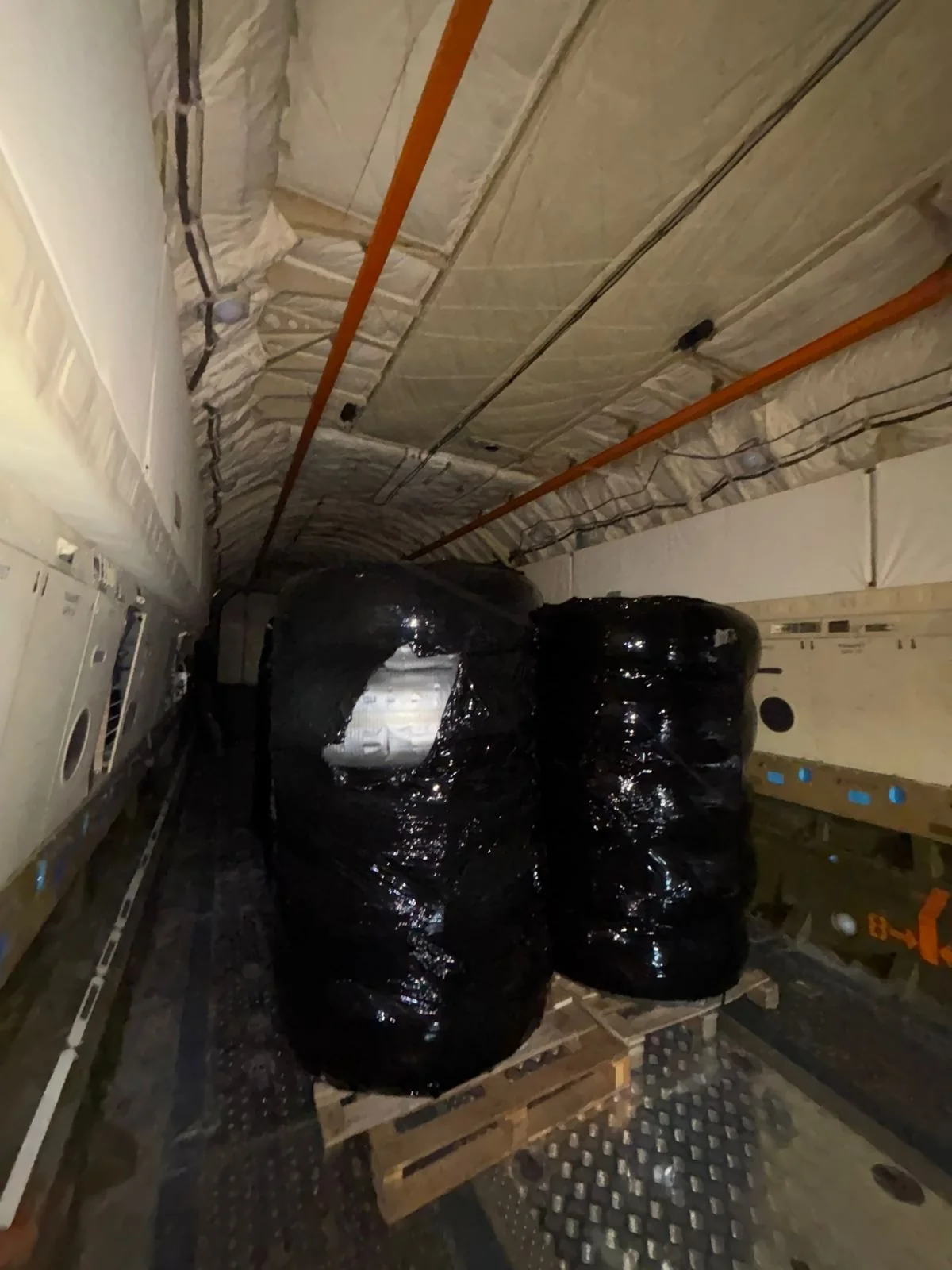
Two of those stages surprise first-time air shippers. Screening is the first: cargo that arrives in unsuitable packaging, or that cannot be screened as presented, has to be reworked before the airline will accept it, and that rework eats the hours left before the acceptance cut-off. Miss the cut-off and the cargo does not fly — it waits for the next flight with space.
Storage is the second. An air cargo terminal allows only a limited free period before storage starts being charged, so an entry that is not ready soon after the aircraft lands can turn saved time into an invoice. That is the part of an air shipment importers least expect to pay for, and it is the part a prepared file is there to keep small.
Air shipping to Jordan normally arrives at Queen Alia International Airport in Amman, and the import entry is prepared by our own team. Because we build the entry while the cargo is still moving rather than after it is on the ground, clearance starts from a file that has already been checked rather than one that is being assembled at the terminal.
Restricted Cargo
Dangerous Goods and Restricted Cargo by Air — What Cannot Simply Be Flown.
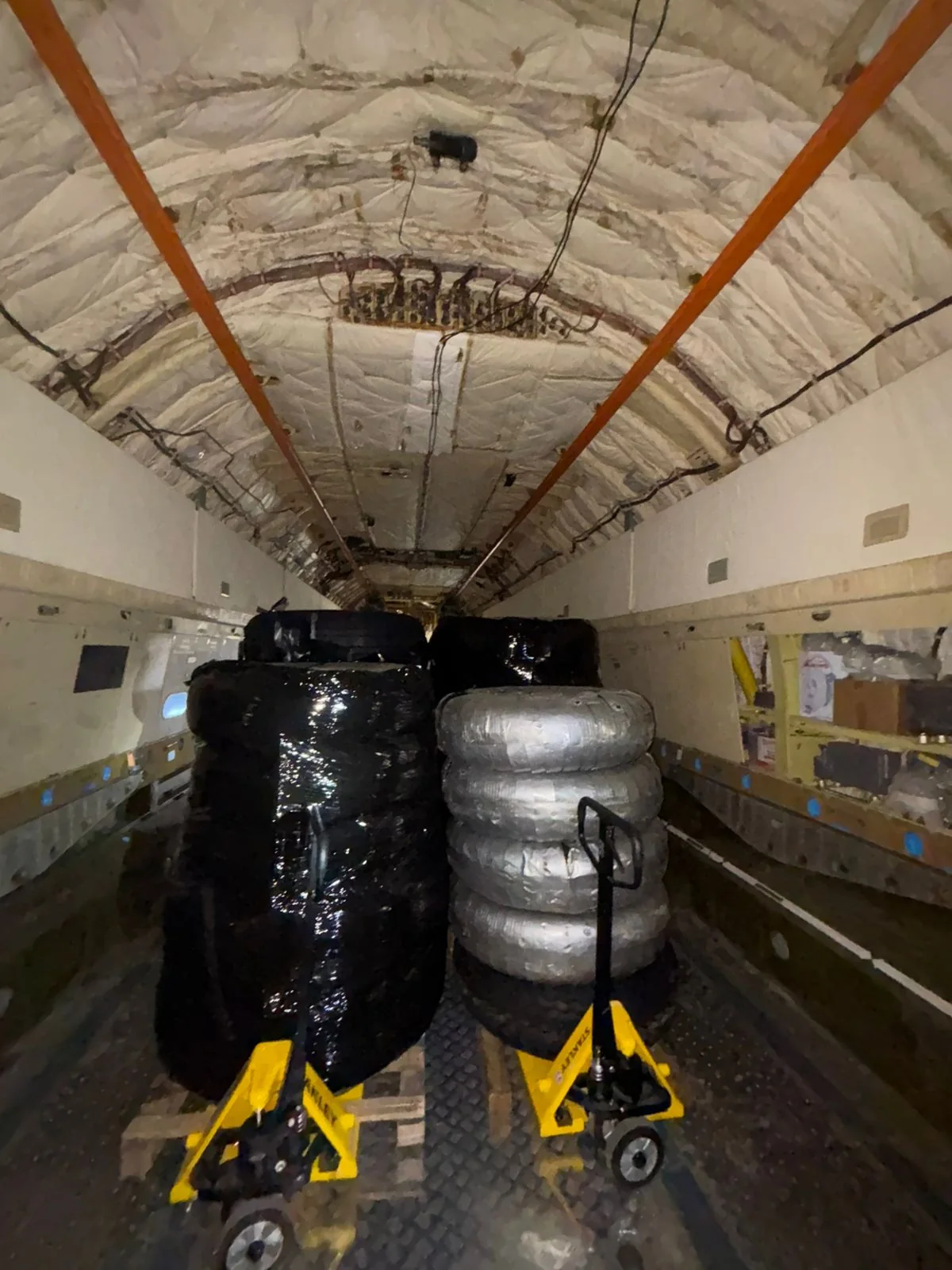
Air cargo is accepted under acceptance rules that catch far more everyday products than importers expect. Lithium batteries, aerosols, paints and solvents, adhesives, perfumes and alcohol-based cosmetics and magnets all fall under dangerous goods rules that govern whether they fly at all, and how they must be packed, marked and declared if they do. Powders and certain other commodities are not dangerous goods, but carry their own security restrictions on some routes.
MASA handles dangerous goods via certified licensed partner agents — subject to MSDS review, carrier acceptance and route restrictions. In practice the process starts with the material safety data sheet from your supplier, not with a booking. The MSDS establishes what the goods are and how they are classified, the carrier decides whether it will accept them on the routing proposed, and some routes and aircraft are closed to certain classes regardless.
If your goods sit anywhere near that list — and battery-powered products very often do — send the safety data sheet with your enquiry. It is the difference between a shipment that is planned and a shipment that is stopped at acceptance, with the cargo at the airport and the flight gone.
Why MASA
One Accountable Team From Booking to Delivered Cargo.
Air freight punishes gaps between parties. A document raised in one place, cargo prepared in another and an entry filed by someone who has seen neither is how a shipment that moved quickly in the air ends up waiting on the ground. Your air freight forwarder in Jordan should own all three. MASA is a licensed freight forwarder, not a booking intermediary, and the whole chain sits with one accountable team.
- Origin control, not a handoffCargo is collected, checked and prepared against the documents before it is presented to the airline — by our own team in China, and through our verified agent network at other origins.
- The entry is built while the cargo fliesAirport storage is charged once the free period runs out, so the import entry is built in transit rather than started on arrival.
- Screening handled before the cut-offPackaging is checked against what the airline will accept before the cargo is presented, not after it is rejected.
- A single point of contactEvery shipment has one person who owns the booking, the documents and the delivery, so you are not repeating yourself to three departments.
Frequently Asked Questions.
When is air freight worth the cost compared with sea?
When the cost of waiting is higher than the difference between the two rates. That is usually the case when a production line is idle, an order is already sold, a season is closing, or a sea shipment has been missed. It is usually not the case for routine restocking that was planned in advance, or for bulky low-value goods. Send us the cargo details and we will price both.
How is air freight priced, and what is chargeable weight?
By whichever is greater. Air cargo is charged on the chargeable weight, which is the higher of the shipment's actual weight and its volumetric weight — a figure derived from the space the shipment occupies. Dense cargo is normally charged on actual weight, and light, bulky cargo on volume. Send your carton dimensions and gross weights with your enquiry, and the quote will state which figure was used.
What is an air waybill, and is it the same as a bill of lading?
An air waybill is the contract of carriage for an air shipment. Where a shipment is consolidated there are two: the master air waybill between the airline and the forwarder, and the house air waybill, which is your contract and the document your cargo is released against. It is not a negotiable bill of lading and not a document of title: cargo is normally released to the named consignee against proof of identity rather than against surrender of an original, subject to the carrier's and the terminal's own release requirements.
Can you ship dangerous goods or products containing batteries by air?
Dangerous goods are handled via certified licensed partner agents — subject to MSDS review, carrier acceptance and route restrictions. Send the material safety data sheet from your supplier with your enquiry. The MSDS establishes the classification, the carrier decides whether it will accept the goods on the proposed routing, and some routes and aircraft are closed to certain classes. We confirm the position before you commit to the shipment.
Do you handle customs clearance for air shipments into Jordan?
Yes — the import entry is prepared by our own team in Amman, so clearance is part of the shipment rather than a separate service you arrange. Air cargo into Jordan normally arrives at Queen Alia International Airport. Storage at the airport cargo terminal is charged once the free period allowed there has run out, so we build the entry while the cargo is still in transit, as soon as the documents are with us, rather than starting it on arrival.
Can part of my order fly while the rest goes by sea?
Yes, and it is often cheaper than flying the whole order. The items holding your operation up move by air; the balance moves by sea, in its own container or a shared one. Both parts sit on one contract with one coordinator, so you are not managing two providers against one order. Tell us which line items are urgent and we will price the split.
What information do you need to quote air freight from China?
Start with the carton dimensions and the gross weights, because chargeable weight turns on them, and send any safety data sheet if the goods contain batteries, liquids, aerosols or similar. Add the origin and the delivery address, a description of the goods, and the date you need the cargo by. With those we can quote, and tell you whether air is the right choice for what you are shipping.
Send the Urgent One First
Tell Us What Is Holding You Up.
Send the cargo details, the origin and the date you need it by. We come back with an air freight quote — and with an honest answer on whether air is the right mode for what you are shipping.